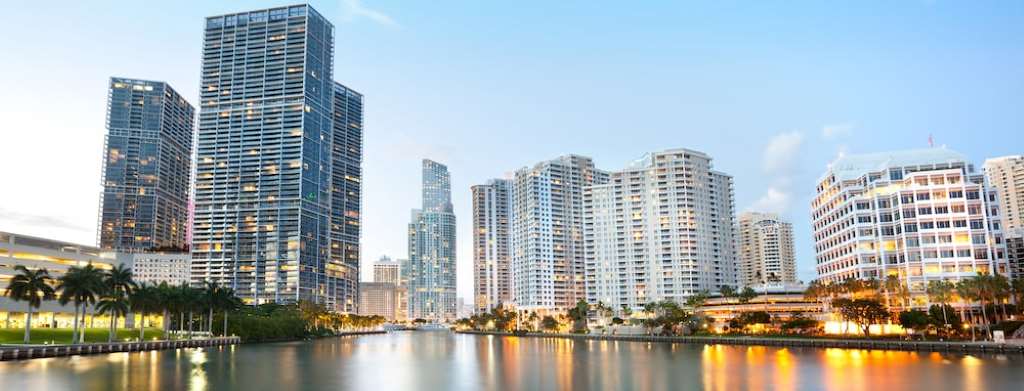
Brickell, Miami’s vibrant financial district, pulses with energy. Skyscrapers tower over Biscayne Bay, housing global firms like Citadel. However, beneath the glitz, a housing crisis looms. Rising living costs and evictions threaten residents, especially renters facing displacement. According to a 2022 Washington Post report, Miami’s rents surged due to limited land and high demand from investors. This blog post explores Brickell’s housing insecurity, offering actionable tips to navigate the crisis. As someone who lived in Miami during the 2020 rent spikes, I saw neighbors struggle to stay afloat. My friend Maria, a single mother, faced a $500 rent hike, forcing her to relocate. Her story reflects a broader issue: housing insecurity in a booming district. This post aims to inform and empower readers with practical solutions. Let’s dive into the factors driving Brickell’s evictions and how residents can protect themselves.
The Surge in Brickell’s Living Costs
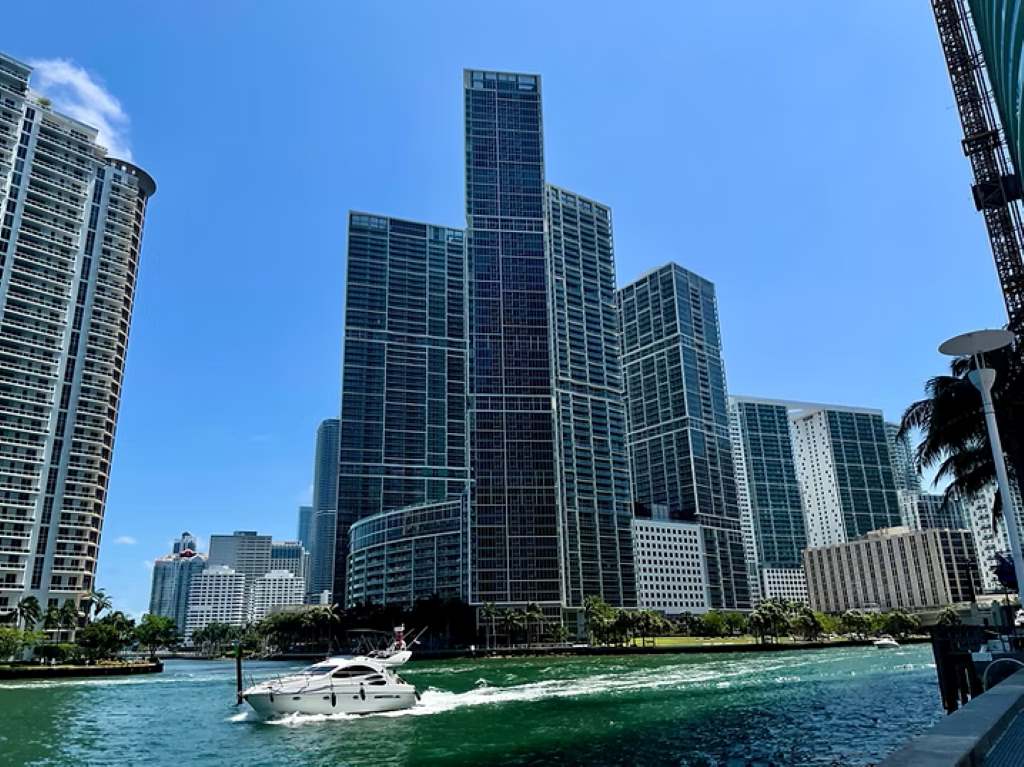
Brickell’s transformation into “Wall Street South” has driven living costs skyward. Luxury condos and corporate headquarters dominate the skyline. A 2024 Mansion Global report noted the median condo price in Brickell hit $662,000, up 6% from 2023. Rentals aren’t spared either. The average rent in Brickell is $3,061 monthly, per Apartments.com. High demand from tech and finance professionals fuels this surge. Companies like Microsoft and Visa have set up shop, attracting high-earners who can afford premium rates.
Meanwhile, long-time residents face pressure. A 2022 Miami Herald article highlighted how millennials initially flocked to Brickell for affordable rents post-2008, but today’s prices exclude many. Gentrification plays a role too. Developments like Brickell City Centre, a $1.05 billion mixed-use project, have added upscale shops and dining, raising property values. For lower-income renters, this means higher rents or eviction notices. Understanding these dynamics is key to addressing housing insecurity.
Housing Insecurity and Evictions in Brickell
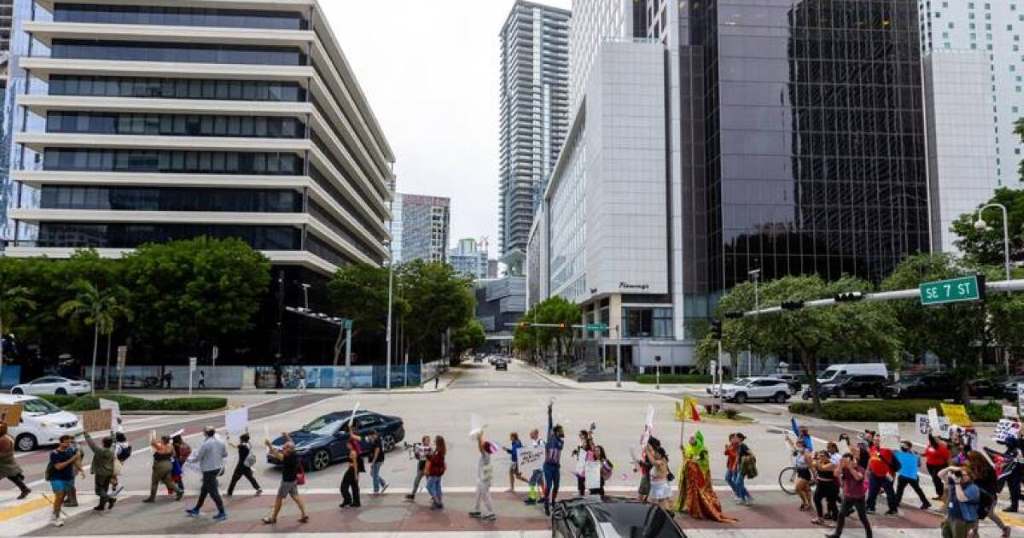
Housing insecurity in Brickell is a growing concern. The U.S. Department of Housing and Urban Development defines affordable housing as costing no more than 30% of income. Yet, many Brickell renters spend far more. A 2024 Housing Matters report found 15–16% of U.S. renters face severe housing problems, including unaffordability.
In Miami, the crisis is acute. A 2022 Miami Workers Center report detailed how rising rents in nearby Hialeah led to evictions, a trend echoing in Brickell. Evictions disrupt lives, causing financial and emotional strain. For example, a 2024 CBS Miami story reported a $21 million special assessment at a Brickell condo, with some residents facing $40,000 payments. Those unable to pay risk losing their homes. Additionally, the lack of affordable housing units exacerbates displacement. Brickell’s focus on luxury developments leaves little room for low-income housing. Tenants need strategies to stay secure in this competitive market.
Factors Driving Displacement in Brickell
Several factors contribute to Brickell’s displacement crisis. First, rapid development prioritizes luxury over affordability. A 2024 Market Urbanist article noted Brickell’s 36 high-rises built since 1997, mostly condos and apartments for wealthy buyers. Second, corporate influxes increase demand. Citadel’s $1 billion headquarters, per Mansion Global, draws high-paid employees, pushing rents higher. Third, limited affordable housing policies worsen the issue. Unlike some cities, Brickell developers face no mandate to include affordable units, per Market Urbanist.
Finally, gentrification transforms neighborhoods. Brickell City Centre’s 2016 opening added high-end retail, making the area less accessible to lower-income residents. These factors create a cycle where rising costs force evictions, and displaced residents struggle to find affordable alternatives. My cousin, a Brickell renter, faced this in 2023 when his landlord raised rent by 20%. Unable to afford it, he moved to a less central area, losing proximity to work. Recognizing these drivers helps residents prepare.
The Impact of Evictions on Brickell Residents
Evictions in Brickell have profound effects. Financially, they burden renters with moving costs and lost deposits. A 2020 NCBI study estimated renters owe $5,850 in back rent post-eviction, plus penalties. Emotionally, displacement causes stress and uncertainty. Families like Maria’s, mentioned earlier, lose community ties when forced to relocate. Socially, evictions disrupt networks, isolating residents from support systems. A 2024 Housing Matters report found 30% of housing-insecure individuals live temporarily with others, like couch-surfing, due to unaffordability.
In Brickell, the urban density amplifies these challenges. Narrow sidewalks and crowded streets, as noted in a 2024 Niche review, add to the chaos of relocation. Moreover, evictions can harm credit scores, making future rentals harder to secure. For young professionals drawn to Brickell’s walkability, per Forbes, an eviction can derail career plans. Understanding these impacts underscores the need for proactive measures to prevent displacement.
Tips to Avoid Evictions in Brickell
Navigating Brickell’s housing market requires strategy. Here are practical tips to avoid evictions and maintain housing security:
- Know Your Rights: Miami-Dade’s Tenant Bill of Rights, per miamidade.gov, requires 60-day notice for rent increases or lease terminations. Review your lease and local laws.
- Budget Wisely: Allocate no more than 30% of income to rent, as HUD advises. Cut non-essential expenses to build savings for emergencies.
- Seek Rental Assistance: Miami-Dade’s Office of Housing Advocacy offers aid for eligible households. Apply early to avoid delays.
- Negotiate with Landlords: If facing a rent hike, propose a longer lease for stability. Document all agreements in writing.
- Explore Affordable Areas: Consider nearby neighborhoods like West Brickell, where projects like The Gallery offer mixed-income housing, per Local10.
- Build an Emergency Fund: Save three months’ rent to cover unexpected costs, like special assessments.
Implementing these steps can provide stability. When I lived in Miami, budgeting 25% of my income for rent helped me weather a sudden lease increase.
Community and Policy Solutions for Housing Security
Addressing Brickell’s housing crisis requires collective action. Community advocacy can push for change. For instance, the Miami Workers Center has fought evictions in Hialeah, inspiring similar efforts in Brickell. Residents can join tenant unions to negotiate better terms. Policy-wise, Miami-Dade’s Building Blocks program, launched in 2024 per miamidade.gov, aims to build 14,000 affordable units. Encouraging developers to include low-income housing in Brickell projects is crucial.
A 2024 National Review article suggested deregulating zoning to allow more housing, a model Brickell could adopt. Public-private partnerships, like The Gallery in West Brickell, show promise. These initiatives blend affordable and market-rate units, fostering inclusivity. Residents should advocate for stronger eviction protections, like extending notice periods. Engaging with local officials, as my friend did at a 2023 housing summit, amplifies voices. Together, these efforts can curb displacement and ensure Brickell remains diverse.
The Human Side of Displacement
Displacement isn’t just statistics—it’s personal. Take my neighbor, Carlos, a Brickell renter for a decade. In 2022, his landlord imposed a $700 rent increase, citing “market rates.” Carlos, a teacher, couldn’t afford it. He moved to Hialeah, doubling his commute and leaving behind friends. His story mirrors thousands in Brickell.
A 2022 Washington Post article noted Miami’s rent crisis hits hardest due to investor demand. Another resident, Ana, shared on Niche how Brickell’s vibrancy drew her, but rising costs forced her out. These stories highlight the emotional toll of evictions. Losing a home means losing stability, community, and identity. When I faced a rent hike, I negotiated a phased increase, but not everyone has that option. Sharing these experiences builds empathy and motivates action. If you’ve faced similar challenges, comment below to connect with others.
The Future of Brickell’s Housing Landscape
Brickell’s housing future hinges on balancing growth and affordability. Projects like Lofty Brickell, set for 2026 per Benoit Properties, promise luxury but may deepen inequality. Conversely, initiatives like The Gallery show potential for mixed-income communities. A 2024 Forbes article projected Brickell’s population could hit 109,000 by 2028, straining housing. Policymakers must prioritize affordable units to prevent further evictions.
Expanding public transit, like the Metromover, per Forbes, can make outer areas accessible, easing pressure on Brickell. Residents should stay informed about developments, as new towers could impact views and rents, per a 2021 Lux Life Miami blog. Advocacy for zoning reforms, as suggested by Market Urbanist, could unlock more housing. By blending innovation and inclusion, Brickell can remain a vibrant hub for all, not just the wealthy. Stay engaged to shape this future.
Conclusion
Brickell’s housing crisis, driven by rising costs and evictions, threatens its diverse community. From luxury condos to corporate influxes, the financial district’s growth has outpaced affordability. Yet, residents can fight back. By knowing their rights, budgeting smartly, and advocating for policy changes, they can resist displacement. Community efforts and public-private partnerships offer hope for inclusive housing.
My experiences in Miami taught me resilience—negotiating rent and building savings kept me secure. Brickell’s future depends on collective action to ensure it remains a home for all. Share your story or tips in the comments to inspire others. If this post helped, spread the word on social media to raise awareness about housing insecurity. Together, we can build a more equitable Brickell.
FAQs
What causes evictions in Brickell?
Evictions in Brickell stem from rising rents, special assessments, and limited affordable housing. Luxury developments and corporate demand drive costs, displacing renters.
How can I avoid eviction in Brickell?
Know your rights, budget 30% of income for rent, seek assistance, negotiate leases, and explore affordable neighborhoods like West Brickell.
Are there affordable housing options in Brickell?
Options are limited, but projects like The Gallery in West Brickell offer mixed-income units. Check Miami-Dade’s housing programs for aid.
How does gentrification affect Brickell residents?
Gentrification raises rents and property values, pushing out lower-income residents. Developments like Brickell City Centre prioritize luxury, increasing displacement risks.
Where can I find rental assistance in Miami?
Miami-Dade’s Office of Housing Advocacy provides rental aid. Visit miamidade.gov or contact local tenant unions for support.