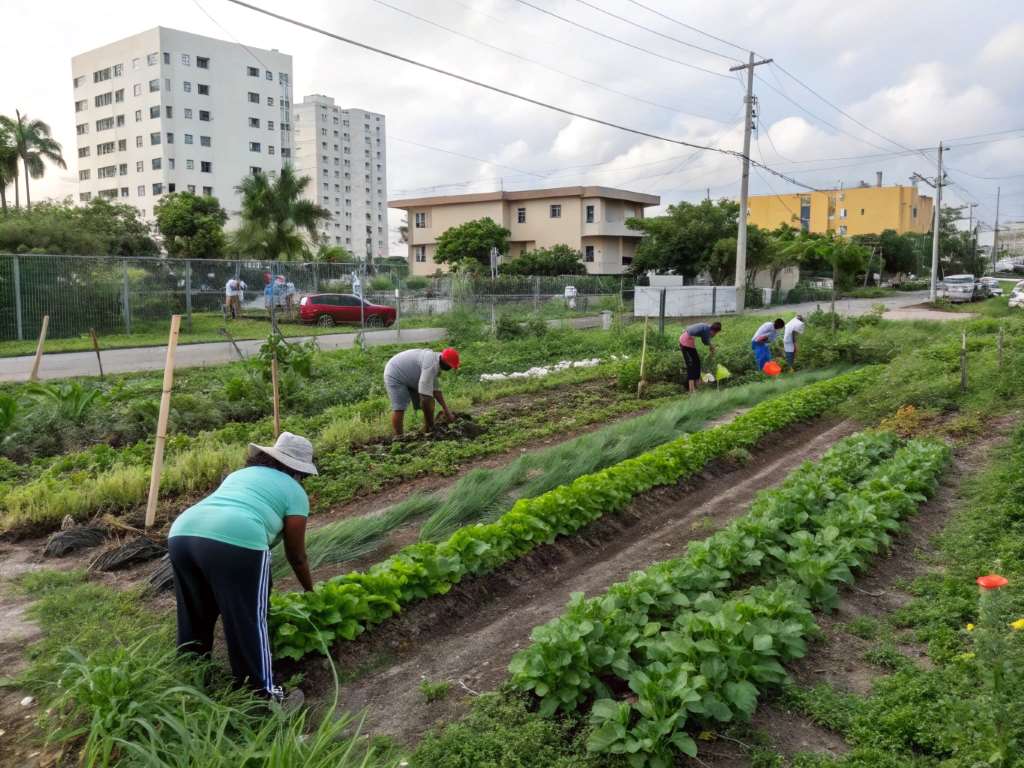
Opa-locka, a vibrant city northwest of Miami, faces challenges like poverty and limited food access. Urban farming offers a promising solution, transforming vacant lots into thriving gardens that provide fresh produce and strengthen community ties. These initiatives address food deserts, where healthy food is scarce, and foster economic and social growth. According to the U.S. Department of Agriculture, 10% of Miami-Dade residents live in low-income areas with poor supermarket access. Opa-locka’s urban farms, supported by organizations like the Opa-locka Community Development Corporation (OLCDC), are changing this narrative.
By growing food locally, residents gain nutritious options and a sense of pride. My visit to an Opa-locka garden showed families working together, sharing stories, and harvesting vegetables. This blog post explores how urban farming in Opa-locka boosts food security, empowers communities, and creates sustainable futures. From existing projects to actionable tips for starting your own garden, you’ll find inspiration to join this movement. Let’s dive into how Opa-locka is sowing seeds for a healthier, connected community.
Understanding Food Deserts in Opa-locka
Food deserts are areas with limited access to affordable, nutritious food. In Opa-locka, 31% of residents live below the poverty line, and many lack nearby grocery stores. The USDA identifies large parts of Opa-locka as food deserts, contributing to higher rates of diet-related illnesses. Urban farming tackles this by bringing fresh produce directly to communities. Local gardens reduce reliance on distant supermarkets, which can be costly to reach.
For example, a 2012 Miami Herald report noted that northwestern Miami-Dade, including Opa-locka, has higher death rates from diet-related causes due to poor food access. Urban farms, like those run by Urban GreenWorks, offer free or low-cost vegetables, making healthy eating accessible. These initiatives also educate residents about nutrition, shifting habits away from fast food. During my visit, I saw children learning to grow tomatoes, excited to eat what they planted. By addressing food deserts, Opa-locka’s urban farms improve health and empower residents to take control of their food choices. This foundation sets the stage for broader community development.
The Role of Urban Farming in Community Development
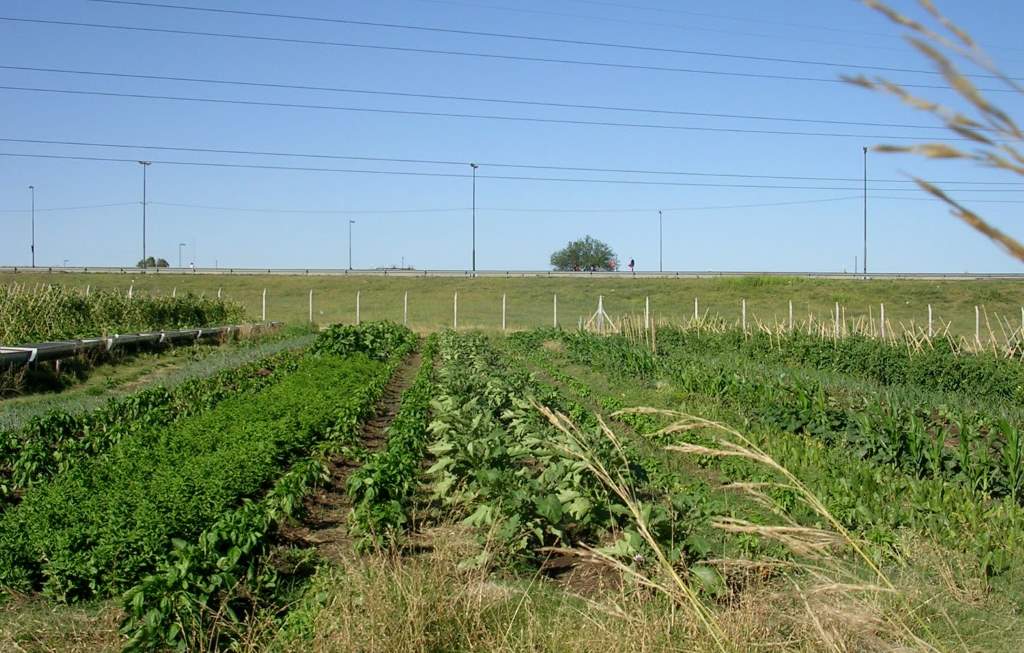
Urban farming in Opa-locka does more than grow food; it builds stronger communities. Gardens become gathering spaces where neighbors connect, share knowledge, and support each other. The OLCDC’s THRIVE Campus, for instance, includes an urban farm managed by residents and students, fostering collaboration. This project, launched in 2017, also features a marketplace for local entrepreneurs, boosting the economy. According to a 2017 ArtPlace report, such initiatives create jobs and increase property values, revitalizing neighborhoods.
Community gardens also reduce crime by transforming vacant lots, once hotspots for illegal activity, into vibrant spaces. A study by the University of Pennsylvania found that greening vacant lots can reduce violent crime by up to 17%. In Opa-locka, the sense of ownership residents feel when tending gardens strengthens civic pride. I recall meeting Corine Newsome, an Opa-locka garden manager, who hosted “Books and Breakfast” events to unite neighbors. These efforts show how urban farming cultivates not just crops but also trust, opportunity, and resilience in Opa-locka’s neighborhoods.
Key Urban Farming Initiatives in Opa-locka
Opa-locka boasts several impactful urban farming projects. The OLCDC’s THRIVE Campus is a standout, featuring an urban farm, commercial kitchen, and marketplace. Launched with support from ArtPlace, it empowers residents to grow and sell produce, addressing food insecurity. Another initiative, led by Urban GreenWorks, runs community gardens that supply fresh vegetables to families. A 2024 Reddit post highlighted an Opa-locka food forest that educates children about gardening while feeding families.
Additionally, Asha Loring’s nonprofit, backed by a Miami Foundation grant, operates a garden in Opa-locka, using a food truck to distribute crops. These projects leverage South Florida’s long growing season to produce diverse crops year-round. According to the Miami-Dade Health Department, such efforts help combat obesity by increasing access to healthy foods. My experience volunteering at one of these gardens showed me the joy of harvesting collard greens alongside residents. These initiatives not only provide food but also inspire hope and self-sufficiency, making Opa-locka a model for urban agriculture.
Highlights of Opa-locka’s Urban Farming Projects
- THRIVE Campus: Combines urban farming, education, and entrepreneurship.
- Urban GreenWorks: Transforms vacant lots into productive gardens.
- Asha Loring’s Initiative: Uses a food truck to deliver fresh produce.
- Food Forest: Teaches kids gardening while feeding families.
Benefits of Urban Farming for Opa-locka Residents
Urban farming brings multiple benefits to Opa-locka’s residents. First, it improves food access, providing free or affordable produce in food deserts. This reduces grocery costs for low-income families, where the median income is $19,000, far below the national average of $51,000. Second, it promotes healthier diets, combating obesity and diabetes, which are prevalent in Miami-Dade. A 2012 Health Department report noted that better food access correlates with healthier eating habits. Third, urban farms create jobs, from farming to selling produce, supporting local economies.
They also offer educational opportunities, teaching children and adults about agriculture and nutrition. Environmentally, gardens reduce carbon footprints by cutting food transport needs. Socially, they foster community pride and cohesion. While visiting a garden, I saw neighbors laughing and sharing recipes, a stark contrast to Opa-locka’s past reputation for crime. These benefits—economic, health, and social—make urban farming a powerful tool for transforming Opa-locka into a thriving, sustainable community.
Challenges Facing Urban Farming in Opa-locka
Despite its promise, urban farming in Opa-locka faces challenges. Funding is a major hurdle, as many projects rely on grants that can be inconsistent. A 2012 Miami Herald article noted that an Opa-locka farmers’ market closed after stimulus funds ended. Land availability is another issue, as vacant lots are often privately owned or zoned for other uses. Community engagement can also be difficult, as some residents, accustomed to fast food, hesitate to embrace homegrown produce.
James Jiler of Urban GreenWorks emphasized the need to change eating habits gradually. Additionally, extreme weather, like hurricanes, threatens crops in South Florida. However, organizations like OLCDC address these by securing partnerships and educating residents. My time at a garden showed me the effort needed to maintain crops during rainy seasons. Overcoming these challenges requires sustained investment, policy support, and community buy-in to ensure urban farming’s long-term success in Opa-locka.
Tips for Starting an Urban Farm in Opa-locka
Starting an urban farm in Opa-locka is rewarding and feasible with the right approach. Here are practical steps to begin, based on successful local models.
- Identify a Location:Find vacant lots or backyards. Contact the Opa-locka CRA for zoning support.
- Secure Funding:Apply for grants from the Miami Foundation or partner with nonprofits like OLCDC.
- Engage the Community:Host workshops to teach gardening and build local support.
- Choose Crops:Grow resilient, local favorites like collard greens, tomatoes, and peppers.
- Maintain the Garden:Use compost and rainwater to keep costs low and sustainability high.
These steps, inspired by projects like THRIVE Campus, ensure your farm meets community needs. I helped plant a small garden and learned that involving kids early sparks lifelong interest. Start small, collaborate with neighbors, and leverage local resources to grow a thriving urban farm.
How to Support Opa-locka’s Urban Farming Movement
Supporting Opa-locka’s urban farming initiatives strengthens the community. Volunteer at gardens run by Urban GreenWorks or OLCDC, where you can plant, harvest, or teach. Donate to nonprofits like the Miami Foundation, which funds local farms. Shop at the Opa-locka Flea Market, where vendors sell fresh produce from urban gardens. Advocate for policies that expand urban agriculture, such as zoning changes for more garden spaces. Share knowledge by hosting nutrition or gardening workshops. During my volunteer time, I saw how donations of tools boosted a garden’s output. Even small actions, like buying from local farmers, make a difference. By getting involved, you help combat food insecurity and build a stronger Opa-locka. Check out Miami Foundation for ways to contribute. Together, these efforts ensure urban farming thrives, benefiting residents for generations.
The Future of Urban Farming in Opa-locka
The future of urban farming in Opa-locka looks bright. Projects like City Terrace, a mixed-use development with green spaces, signal a commitment to sustainable growth. The OLCDC’s ongoing efforts, backed by grants and partnerships, aim to expand urban farms. Technology, like hydroponics, could increase yields in small spaces, addressing land scarcity. Community-driven models, such as Asha Loring’s food truck initiative, will likely grow, connecting more residents to fresh food.
A 2023 Miami Herald article highlighted Opa-locka’s cultural diversity as a strength for innovative projects. Education programs will continue teaching youth about agriculture, ensuring long-term engagement. My experience showed me the passion residents have for these initiatives. With policy support and investment, Opa-locka could become a national model for urban agriculture, blending food access, economic growth, and community pride. The seeds planted today will yield healthier, more connected neighborhoods tomorrow.
Conclusion
Urban farming in Opa-locka is more than growing food; it’s about nurturing hope, health, and community. By addressing food deserts, these initiatives provide fresh produce, create jobs, and strengthen neighborhood bonds. Projects like THRIVE Campus and Urban GreenWorks show the power of local action, while challenges like funding and land access highlight the need for continued support.
The benefits—better health, economic growth, and social cohesion—are transformative. My time in Opa-locka’s gardens taught me the joy of harvesting food with neighbors, a simple act that builds trust and pride. With actionable steps, anyone can start or support a garden, contributing to a sustainable future. Opa-locka’s urban farming movement is a blueprint for other cities. Join the effort—volunteer, donate, or share this story. What are your thoughts on urban farming? Leave a comment or share this article to spread the word!
FAQs
What is urban farming in Opa-locka?
Urban farming in Opa-locka involves growing food in city spaces, like vacant lots, to improve food access and community ties.
How does urban farming help food access?
It provides fresh, affordable produce in food deserts, reducing reliance on distant grocery stores and promoting healthier diets.
Who runs urban farming projects in Opa-locka?
Organizations like OLCDC, Urban GreenWorks, and Asha Loring’s nonprofit lead efforts, often with community and grant support.
Can I start an urban farm in Opa-locka?
Yes, identify a lot, secure funding, engage neighbors, and choose local crops. Contact OLCDC for resources.
How can I support Opa-locka’s urban farms?
Volunteer, donate to nonprofits, shop at local markets, or advocate for policies that expand urban agriculture.