Flagler Street is more than just a road in Miami. It’s the heartbeat of the city’s history, culture, and growth. Named after Henry Flagler, a visionary who shaped Florida, this street tells a story of ambition, change, and resilience. Today, it’s a bustling hub where old meets new, offering shops, food, and a glimpse into Miami’s past. But what’s the real tale behind it? This blog post dives deep into Flagler Street’s origins, its evolution, and its modern charm. You’ll get actionable tips to explore it yourself, plus a personal story to connect with its vibe. Whether you’re a local or a visitor, understanding Flagler Street unlocks Miami’s soul. Let’s peel back the layers together.
The Origins of Flagler Street: Henry Flagler’s Vision
Flagler Street owes its name to Henry Morrison Flagler, a tycoon who transformed Florida. In the late 1800s, he saw potential where others saw swamps. He built railroads, hotels, and infrastructure, turning Miami into a real city. Flagler Street began as a dirt path in 1896, part of his plan to connect Miami to the world. His East Coast Railway brought people and goods, sparking growth. By 1900, Miami’s population jumped from 300 to over 1,000, thanks to his efforts. Historians note that Flagler’s investments laid the foundation for modern Miami. Without him, Flagler Street wouldn’t exist as we know it. Today, it stands as a tribute to his bold dream of a thriving South Florida.

The Early Days: A Growing Downtown Hub
In the early 20th century, Flagler Street became Miami’s downtown core. Shops, banks, and theaters popped up as the city grew. By the 1920s, it was the place to be, with horse-drawn carriages giving way to cars. The street buzzed with energy during the land boom, when Miami’s population soared to 29,571 by 1930, according to U.S. Census data. Buildings like the Dade County Courthouse, finished in 1928, still stand as reminders of this era. However, the Great Depression hit hard, slowing growth. Even so, Flagler Street held on, proving its staying power. It was a symbol of hope, drawing people together through tough times. That resilience shaped its identity for decades to come.
Mid-Century Boom: Flagler Street’s Golden Age
The 1950s and 60s marked Flagler Street’s peak. Post-World War II prosperity fueled a shopping boom. Department stores like Burdines and Richards thrived, pulling in crowds. Neon signs lit up the night, and families flocked to buy clothes, eat, and watch movies. Traffic surged, with over 100,000 people visiting daily, as reported by the Miami Herald in 1960. The street mirrored America’s mid-century optimism. Yet, suburban malls later stole some thunder. Still, Flagler Street adapted, keeping its charm. My dad used to talk about his first job there, selling newspapers as a kid. He’d describe the hustle—vendors shouting, cars honking. That personal tie makes me see it as more than history; it’s a living memory.
The Decline and Revival: Challenges and Comebacks
By the 1980s, Flagler Street faced tough times. Suburban sprawl and crime hurt its appeal. Stores closed, and foot traffic dropped. A 1990 study by the Miami Downtown Development Authority found vacancy rates hit 20%. But the story didn’t end there. In the 2000s, revitalization kicked in. New businesses, like cafes and boutiques, moved in. The city invested millions to spruce up sidewalks and add events like the Flagler Street Festival. Today, it’s rebounding, blending old-school vibes with fresh energy. Walking there last year, I saw empty lots turn into art spaces. It felt like the street was waking up. This comeback shows Miami’s knack for reinventing itself, with Flagler Street leading the charge.
What Flagler Street Looks Like Today
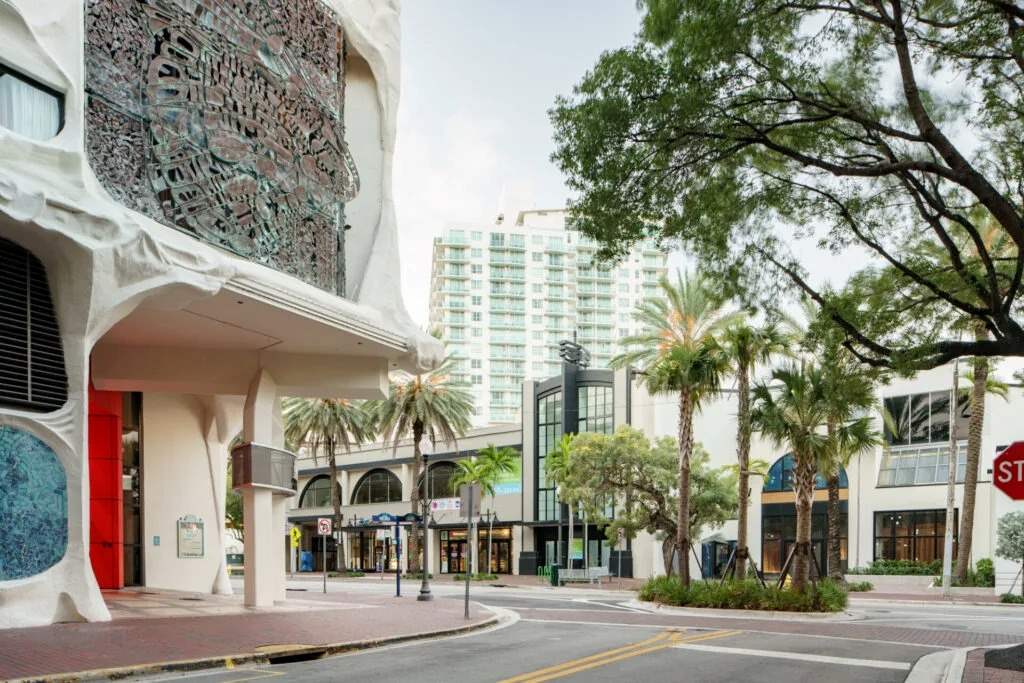
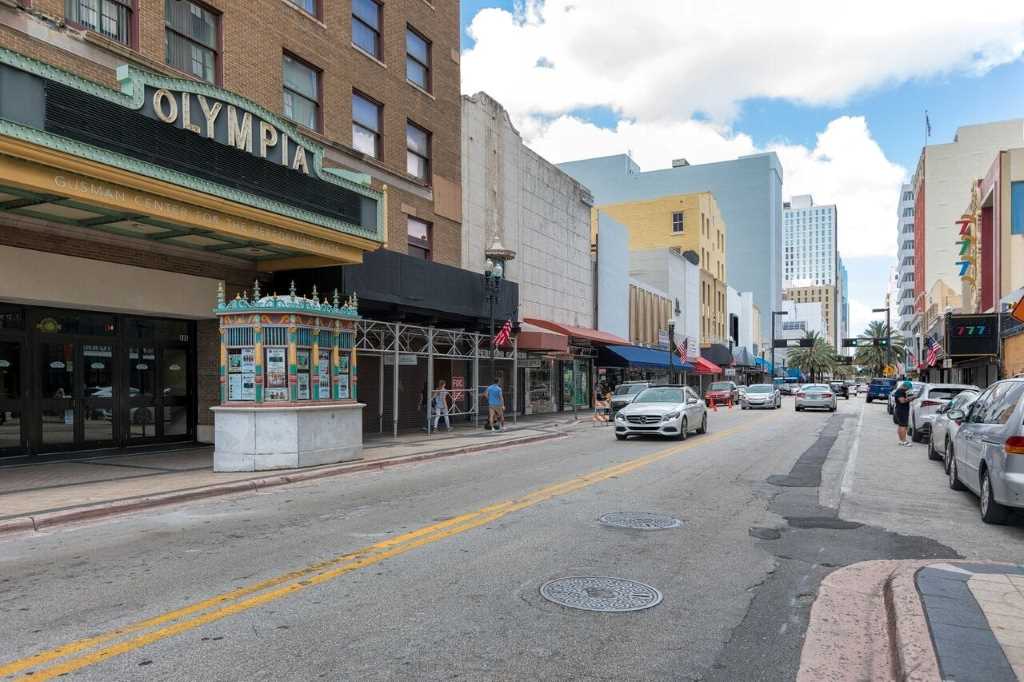
Now, Flagler Street is a mix of past and present. You’ll find historic buildings next to modern storefronts. It’s a shopping spot with jewelry stores, clothing shops, and eateries serving Cuban sandwiches. The street stretches 12 blocks, from Biscayne Bay to the courthouse, alive with pedestrians. In 2023, Miami-Dade County approved a $6 million upgrade plan, adding better lighting and greenery, per the county’s press release. Tourists snap photos, while locals grab lunch. It’s not perfect—some areas feel gritty—but that’s part of its charm. I strolled there recently, sipping coffee, watching street musicians play. It’s raw, real, and uniquely Miami. Flagler Street today is a survivor, still beating with life.
Cultural Impact: A Melting Pot of Miami Life
Flagler Street reflects Miami’s diverse soul. It’s where Cuban, Haitian, and American cultures collide. Street vendors sell empanadas, and Spanish fills the air. The annual Calle Ocho Festival nearby spills over, bringing thousands to celebrate Latin heritage. In 2022, over 200,000 attended, says the festival’s official site. Art murals pop up, telling stories of immigration and resilience. The street’s role as a cultural hub goes back decades, uniting communities. When I visited a small Cuban diner there, the owner shared tales of his family’s journey from Havana. That connection—food, music, stories—makes Flagler Street a living museum. It’s not just a place; it’s a crossroads of identities.
Actionable Tips to Explore Flagler Street Like a Local
Want to experience Flagler Street fully? Here’s how:
- Start Early: Beat the heat and crowds. Morning walks show off the street’s quiet beauty.
- Eat Local: Try a Cuban sandwich at Sanguich or pastelitos at a bakery. Authentic flavors await.
- Shop Smart: Bargain at jewelry stores or browse vintage finds. Prices vary, so compare.
- Visit History: Check out the Dade County Courthouse or Freedom Tower nearby. They’re iconic landmarks.
- Join Events: Catch the Flagler Street Festival or holiday markets. Check Miami’s event calendar online.
Last month, I followed this plan. I grabbed coffee, haggled for a bracelet, and soaked in the vibes. You’ll feel the street’s pulse this way. Explore with curiosity—it’s the best approach.
The Future of Flagler Street: What’s Next?
Flagler Street’s story isn’t over. Plans for more upgrades are in motion. The 2023 revitalization project aims to boost walkability and business. Miami-Dade County wants it to rival places like New York’s Fifth Avenue, though on a smaller scale. New condos nearby signal growth, with downtown’s population hitting 92,000 in 2020, per the U.S. Census. However, challenges like traffic and parking linger. Experts predict it’ll keep evolving, balancing history with progress. I hope it stays gritty yet welcoming. Its future hinges on smart planning and community love. Flagler Street could shine brighter, keeping its roots intact.
Conclusion: The Enduring Legacy of Flagler Street
Flagler Street is Miami’s backbone, woven from Henry Flagler’s vision and the city’s grit. It’s survived booms, busts, and changes, reflecting resilience and diversity. From a dirt path to a cultural hub, its story inspires. Today, it’s a place to shop, eat, and connect with history. Tomorrow, it promises more. My walks there remind me of its depth—beyond the surface, it’s alive with tales. Explore it yourself. Share your thoughts in the comments or pass this post along. Let’s keep Flagler Street’s legacy thriving.
FAQs
What’s the history behind Flagler Street’s name?
It’s named after Henry Flagler, who built railroads and sparked Miami’s growth in the 1890s.
When did Flagler Street become a big deal?
It boomed in the 1920s as Miami’s downtown hub, peaking in the 1950s and 60s.
Why did Flagler Street decline?
Suburban malls and crime in the 1980s hurt its appeal, but revitalization efforts started in the 2000s.
What can I do on Flagler Street today?
Shop, eat Cuban food, visit historic sites, or enjoy festivals—it’s a lively mix.
Is Flagler Street worth visiting?
Yes, it’s a unique blend of history, culture, and modern Miami life.