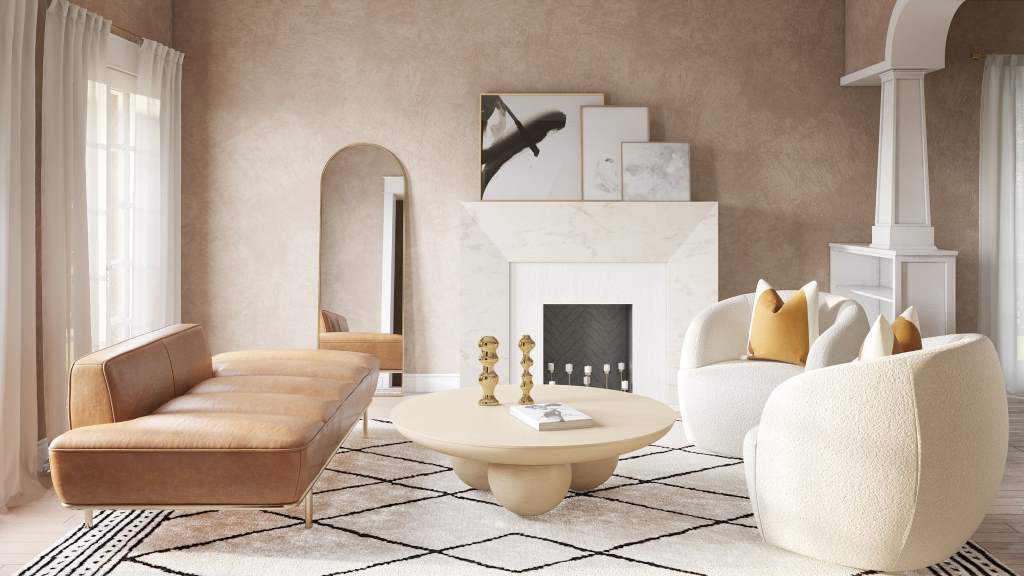
Transform your home with a DIY lime wash wall for a Mediterranean-Miami look. This style blends old-world charm with vibrant coastal flair. It evokes the sun-drenched villas of the Mediterranean and the colorful Art Deco vibe of Miami Beach. Lime wash creates soft, textured walls with natural depth. This blog post guides you through the process, from materials to techniques. You’ll learn how to achieve a stunning accent wall or transform your living room. Expect practical tips, cost-saving DIY methods, and design inspiration. Let’s dive into creating a timeless, elegant space.
Why Choose Lime Wash for Walls
Lime wash paint offers unique aesthetic and practical benefits. Its chalky, velvety finish adds depth and character. Unlike latex paint, lime wash uses natural pigments and slaked lime. This creates a breathable, eco-friendly coating. It absorbs carbon dioxide, aiding sustainability. A 2021 study by the Green Building Council found lime-based finishes reduce indoor air pollutants by 20%. Lime wash suits Mediterranean-Miami styles with its organic, weathered look. It’s ideal for a master bedroom or living room seeking warmth and texture.
The process allows creative freedom. You can layer colors like Revere Pewter or Behr Sandstone Cliff for subtle variations. Lime wash is forgiving, perfect for DIY projects. Mistakes blend into the textured finish. However, preparation is key to avoid uneven results. This makes it a versatile choice for home decor enthusiasts.
Materials Needed for Lime Wash
You need specific tools and materials for success. Gather lime wash paint from brands like Portola Paints or Color Atelier. Choose shades like Benjamin Moore Revere Pewter or Behr Alpaca Blanket for authenticity. You’ll also need a block brush, masonry brush, and paint tray. A spackle knife helps with smooth application. Include masking tape, a drop cloth, and a stain brush for precision. For a faux lime wash, consider plaster of paris or joint compound.
- Lime wash paint (e.g., James Alexander Limewash)
- Block brush and masonry brush
- Drop cloth and masking tape
- Spackle knife and paint tray
- Mineral Primer for better adhesion
Expect to spend $50–$100 on supplies. Check Pure & Original or Dominique Architectural Finishes for quality options. Always test a small area first.
Preparing Your Wall for Lime Wash
Preparation ensures a flawless lime wash finish. Start by cleaning the wall thoroughly. Remove dust, grease, or old paint flakes. Use a damp cloth and mild detergent. Apply masking tape to protect edges and trim. Lay a drop cloth to catch drips. If the wall has imperfections, use a spackle knife to smooth them out. An acrylic-based primer or Mineral Primer enhances adhesion.
Inspect for cracks or uneven surfaces. Fill them with joint compound for a polished base. Let the primer dry for 24 hours. This step is critical for lime-based finishes to bond properly. Poor preparation can lead to peeling or patchy results. Take time to set up correctly for a professional look.
Step-by-Step Lime Wash Application
Applying lime wash requires patience and technique. Mix lime wash paint with water to create a homogeneous mixture. Follow the manufacturer’s ratio, usually 1:1. Use a block brush for large areas and a stain brush for edges. Apply the paint in a crisscross technique for texture. This mimics Venetian plaster or roman clay effects. Work in small sections to maintain control.
Start at the top and move downward. Layer the paint thinly to build depth. Allow each coat to dry for 4–6 hours. Two to three coats create the Mediterranean-Miami aesthetic. For a faux lime wash, mix plaster of paris with latex paint. This budget-friendly option mimics the look effectively.
Mastering the Crisscross Technique
The crisscross technique defines lime wash’s signature texture. Hold the block brush at a 45-degree angle. Apply paint in diagonal strokes, alternating directions. This creates a soft, cloud-like effect. Avoid straight lines for a natural, weathered appearance. Practice on a board first to perfect your motion.
Work quickly but carefully. Lime wash dries fast, so blend wet edges promptly. Use a masonry brush for tight corners. This method enhances the old-world technique vibe, reminiscent of Coral Gables homes. It adds depth, making your accent wall stand out. Patience yields professional results.
Choosing Colors for Mediterranean-Miami Style
Color selection shapes the Mediterranean-Miami aesthetic. Opt for earthy tones like Behr Rustic Taupe or Benjamin Moore Winds Breath. These mimic natural landscapes. For a bolder Miami vibe, try BEHR Jean Jacket Blue or Starless Night. Revere Pewter offers a neutral, versatile base. Portola Paints and Color Atelier provide authentic lime wash shades.
Test samples on your wall. Lighting affects how colors appear. Aim for hues that evoke Miami Beach’s Art Deco charm or Mediterranean villas. Combine two shades for a dynamic effect. For example, layer explorer khaki over a base coat for subtle contrast. This enhances the room’s warmth and elegance.
My Lime Wash Journey
Last summer, I transformed my living room with lime wash. Inspired by Architectural Digest, I chose James Alexander Limewash in Behr Sandstone Cliff. The process was messy but rewarding. My first attempt was uneven, but the crisscross technique saved it. The final result stunned my guests. It felt like stepping into a Coral Gables villa. This project taught me patience and boosted my DIY confidence. You can achieve this too with the right tools and mindset.
Troubleshooting Common Lime Wash Issues
Lime wash projects can face challenges. Patchy finishes often result from uneven primer application. Ensure the Mineral Primer is fully dry before painting. If the paint dries too fast, mist the wall lightly with water. This extends working time. Cracks may appear if the wall wasn’t smoothed properly. Use a spackle knife to fix imperfections before starting.
If the color looks flat, add another coat. Too much texture? Thin the mixture slightly. For faux lime wash, ensure plaster of paris is mixed evenly. Check Dominique Architectural Finishes for troubleshooting tips. Patience and small adjustments solve most issues.
Enhancing with Venetian Plaster Techniques
Venetian plaster techniques elevate lime wash projects. Use a spackle knife to create subtle swirls or patterns. This mimics roman clay or Terrazzo GraniTech finishes. Apply a thin layer of lime putty over the base coat for added depth. Buff gently with a cloth for a polished sheen. This enhances the Mediterranean-Miami look.
Practice on a sample board first. Overworking the plaster can dull the finish. Use natural materials like marble dust for authenticity. These techniques, inspired by Justina Blakeney’s designs, add sophistication. They make your master bedroom or living room feel luxurious.
Maintaining Your Lime Wash Walls
Lime wash walls require minimal upkeep. Dust them lightly with a soft cloth monthly. Avoid harsh cleaners, as they damage the finish. For stains, dab gently with a damp sponge. The lime cycle makes these walls durable and breathable.
Reapply a thin coat every 5–7 years for freshness. Store leftover lime wash in a sealed container. Check Pure & Original for maintenance products. Proper care keeps your walls vibrant and timeless.
Incorporating Art Deco and Coastal Elements
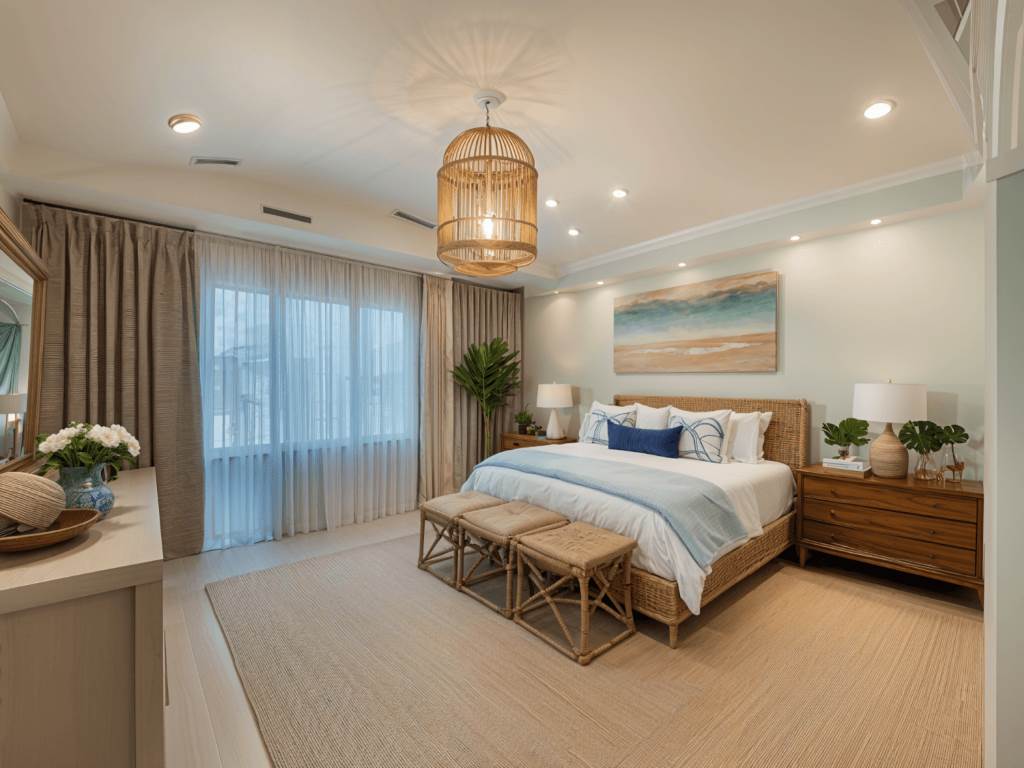
Mediterranean-Miami style thrives on Art Deco and coastal influences. Add gold or brass accents to echo Miami Beach’s glamour. Use woven rugs or rattan furniture for a natural landscapes vibe. Hang artwork inspired by Justina Blakeney or Dan Scotti for a modern touch. These elements complement lime wash’s organic texture.
Incorporate soft blues or corals in decor to reflect Coral Gables’ palette. Keep furniture minimal to highlight the accent wall. This creates a cohesive, inviting space. Balance bold Miami flair with Mediterranean simplicity for a stunning effect.
Explore:
Miami Condo Rentals in Brickell: A Luxurious Urban Escape
A Journey Through Soho Beach House Miami: A Luxurious Coastal Escape
Cost and Time Considerations
A DIY lime wash project is budget-friendly. Materials cost $50–$100 for a standard room. Brands like Portola Paints offer affordable options. Labor is free since you’re doing it yourself. Expect 2–3 days for prep, painting, and drying. A 200-square-foot wall takes about 10 hours total.
Professionals charge $500–$1,500 for similar projects. DIY saves money and adds personal satisfaction. Plan your schedule to avoid rushing. Quality takes time, but the results are worth it.
Conclusion
A DIY lime wash wall for a Mediterranean-Miami look transforms your home. It blends old-world charm with coastal vibrancy. Use lime wash paint, a crisscross technique, and earthy tones for authenticity. Proper preparation and quality materials ensure success. This project is affordable, eco-friendly, and rewarding. Try it in your living room or master bedroom for a stunning accent wall. Share your results or ask questions in the comments. Inspire others with your home decor journey.
FAQs
What is lime wash paint?
Lime wash paint uses slaked lime and natural pigments. It creates a textured, breathable finish.
How long does lime wash last?
Lime wash lasts 5–7 years with proper care. Dust regularly and avoid harsh cleaners.
Can I use lime wash outdoors?
Yes, lime wash suits exterior walls. Ensure proper priming and weather-resistant formulas.
Is faux lime wash effective?
Faux lime wash, using plaster of paris, mimics the look affordably. It’s great for DIY.
What colors suit Mediterranean-Miami style?
Earthy tones like Revere Pewter or blues like Jean Jacket Blue enhance the aesthetic.
- Green Building Council: https://www.usgbc.org/resources/green-building-facts
- EPA Mold Overview: https://www.epa.gov/indoor-air-quality-iaq/technical-overview-mold