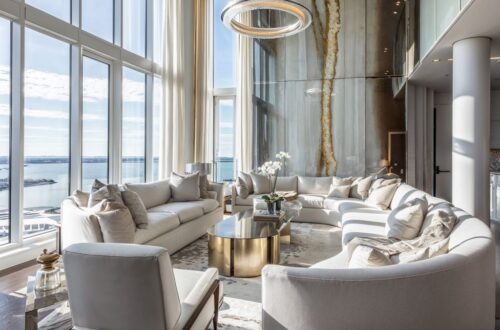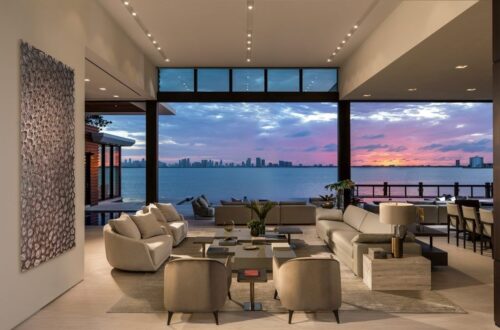
Picture this: You’ve just moved into a sleek, high-rise condo in Brickell, drawn to its floor-to-ceiling windows and minimalist lines. But something feels off. The sterile white walls and sharp edges clash with the turquoise waters and swaying palms outside. You want a space that reflects Miami’s vibrant, laid-back energy—without sacrificing modern sophistication. Welcome to the challenge of mastering coastal modern interior design.
Miami’s design scene is a study in contrasts: the clean lines of modern architecture meet the organic textures of coastal living. Yet, 78% of homeowners struggle to blend these styles seamlessly, according to a 2026 survey by the American Society of Interior Designers. The result? Spaces that feel either too cold and impersonal or overly themed like a beachside motel. The secret to nailing this aesthetic lies in balance—honoring Miami’s coastal roots while embracing contemporary elegance.
This guide will show you how to blend coastal and modern interior design in Miami, creating a home that feels both timeless and distinctly Floridian. You’ll learn how to choose a neutral palette with pops of coastal color, incorporate natural textures without going rustic, and select furniture that bridges both styles. Whether you’re decorating a high-rise condo, a historic Coral Gables home, or a modern Key Biscayne retreat, these principles will help you craft a space that’s as functional as it is stunning.
Why Miami’s Unique Vibe Demands a New Design Approach
Miami isn’t just a city—it’s a lifestyle. The fusion of Caribbean, Latin American, and contemporary influences creates a design landscape unlike anywhere else. Traditional coastal decor (think seashells and nautical stripes) can feel kitschy in a modern Miami home. Meanwhile, ultra-minimalist spaces often ignore the city’s vibrant, sun-soaked energy.
A 2025 report by Architectural Digest highlighted that Miami homeowners prioritize three elements in their interiors:
- Connection to the Outdoors: Blurring the line between indoor and outdoor living.
- Durability: Materials that withstand humidity, salt air, and intense sun.
- Personality: Spaces that reflect Miami’s eclectic, multicultural spirit.
The solution? Coastal modern interior design—a sophisticated blend of organic textures, neutral backdrops, and contemporary silhouettes. This style celebrates Miami’s natural beauty while keeping spaces fresh and uncluttered.
Expert Insight:
“Miami’s light is unlike anywhere else—harsh yet soft, bright yet warm,” says interior designer Natalia Martinez, who’s transformed over 200 Miami homes. “The key is to design spaces that complement this light, not fight it.”
Step 1: Start with a Neutral Base That Feels Warm, Not Sterile
The foundation of coastal modern interior design is a neutral palette that evokes sand, driftwood, and sun-bleached concrete. However, Miami’s version of neutral isn’t cold or stark. It’s warm, inviting, and layered.
Ideal Neutral Palettes for Miami Homes:
- Soft Whites: Benjamin Moore’s “Chantilly Lace” or Sherwin-Williams’ “Alabaster”
- Warm Grays: Farrow & Ball’s “Skimming Stone”
- Beige with Undertones: Sherwin-Williams’ “Accessible Beige” (avoid yellowy tones)
Pro Tip:
Test paint colors at different times of day. Miami’s intense sunlight can make colors appear brighter or more muted than expected.
Real-Life Example:
A Brickell condo owner swapped her stark white walls for Sherwin-Williams’ “Agreeable Gray”. The warm undertones made her space feel cozier while still reflecting the modern aesthetic she loved.
Step 2: Layer in Coastal Colors—Subtly and Strategically
Coastal colors don’t have to scream “beach house.” In Miami’s coastal modern style, they’re used as accents to add depth and energy. Think of the ocean at dusk: deep teals, soft corals, and muted aquas.
How to Incorporate Coastal Hues:
- Textiles: Throw pillows, rugs, or curtains in watery blues or sandy tones.
- Artwork: Abstract pieces with ocean-inspired palettes.
- Furniture: A single statement piece, like a teal velvet sofa or a coral-side chair.
- Accessories: Ceramic vases, glassware, or books with coastal colors.
Color Pairings That Work:
- Navy + White + Brass: Classic and elegant.
- Teal + Warm Wood + Cream: Modern yet organic.
- Coral + Gray + Black: Bold and sophisticated.
Design Review:
“I see too many Miami homes with accent walls in bright turquoise,” says Martinez. “Instead, use that color in smaller doses—a throw blanket, a piece of art, or even just a stack of books.”
Step 3: Embrace Natural Textures (Without Going Rustic)
Coastal modern interior design thrives on texture. The goal is to create a tactile experience that feels organic yet refined. Think smooth woods, woven fibers, and matte finishes—not rough-hewn driftwood or jute everything.
Textures to Mix:
- Wood: Light oak, teak, or walnut for furniture and flooring.
- Stone: Marble, travertine, or limestone for countertops and accents.
- Fabrics: Linen, cotton, and performance velvets (durable and stain-resistant).
- Metals: Brass, matte black, or brushed gold for hardware and lighting.
Avoid:
- Overly distressed wood (it can look dated).
- Cheap wicker (opt for high-quality rattan instead).
- Shiny, plastic-like finishes (they clash with the organic vibe).
Example:
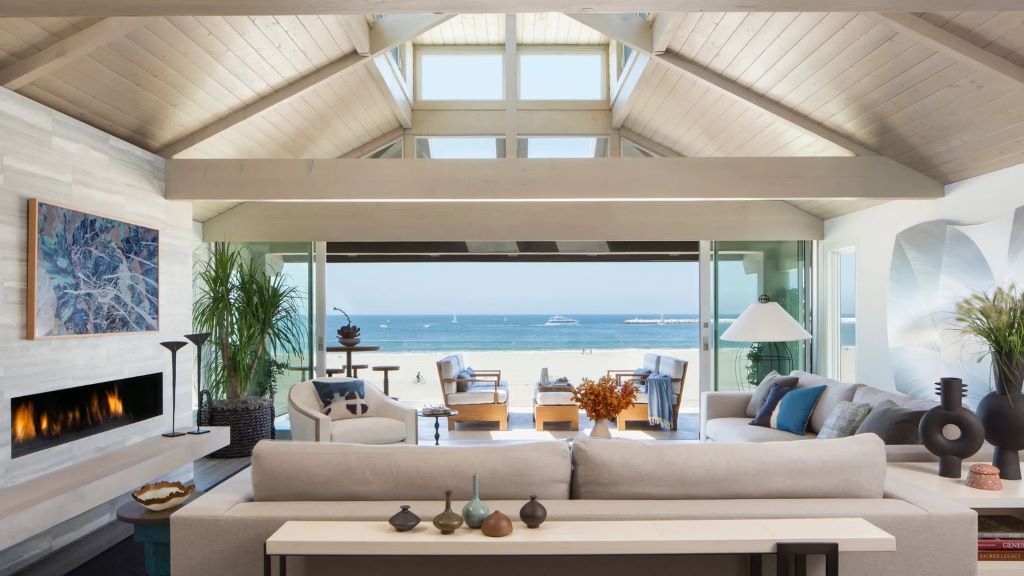
A modern Miami beach house used a mix of light oak flooring, travertine countertops, and linen drapes. The result? A space that felt connected to nature but still sleek and contemporary.
Step 4: Choose Furniture That Bridges Both Styles
Furniture is where coastal and modern design can clash—or complement each other beautifully. The key is to select pieces with clean lines but organic shapes.
Furniture Styles That Work:
- Sofas: Low-profile with loose, linen slipcovers.
- Chairs: Wishbone chairs, Eames-style lounge chairs, or cane-back dining chairs.
- Tables: Live-edge wood tables or marble-topped consoles.
- Storage: Woven baskets, floating shelves, or credenzas with brass hardware.
What to Skip:
- Overstuffed, nautical-themed furniture.
- Ultra-minimalist pieces with no warmth (e.g., all-glass tables).
- Heavy, dark wood furniture (it can feel oppressive in Miami’s light).
Pro Tip:
Invest in performance fabrics for upholstery. Miami’s humidity and salt air can wreak havoc on traditional fabrics.
Step 5: Let the Light In (But Control It)
Miami’s abundant natural light is a blessing—and a curse. Too much direct sunlight can fade furniture and create glare, while too little makes spaces feel dull. The solution? Layered window treatments.
Window Treatment Ideas:
- Sheer Curtains: Filter light while maintaining views. Opt for linen or cotton in neutral tones.
- Roman Shades: Provide privacy and light control. Choose natural fibers like bamboo or grasscloth.
- Plantation Shutters: Classic and functional. Paint them the same color as your walls for a seamless look.
- Motorized Shades: A splurge, but worth it for high-rise condos with floor-to-ceiling windows.
Avoid:
- Heavy, dark drapes (they block light and feel outdated).
- Cheap vertical blinds (they detract from the aesthetic).
Local Secret:
“Miami homes need window treatments that do double duty—filter light and withstand humidity,” says window treatment specialist Ana Rodriguez. “I recommend motorized shades for condos. They’re sleek, easy to use, and protect furniture from UV damage.”
Step 6: Incorporate Miami-Specific Decor (Without the Cliche)
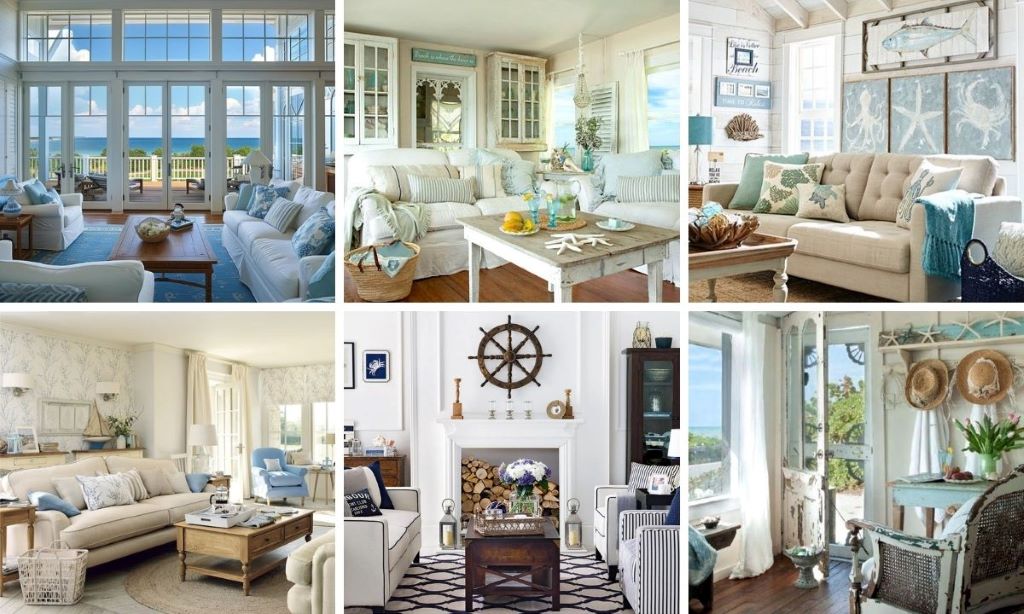
Miami’s culture is rich and diverse, so your decor should reflect that. Skip the obvious (seashells, starfish) and opt for pieces that nod to the city’s heritage and natural beauty.
Thoughtful Miami-Inspired Decor:
- Art: Local artists like Romero Britto or Beatriz Milhazes (whose work is displayed at PAMM).
- Ceramics: Handmade pieces from **Coral Gables’ Mermaid Clay studio.
- Plants: Air plants, palms, or orchids (low-maintenance and humidity-loving).
- Books: Coffee table books on Miami architecture, Cuban art, or Florida history.
Avoid:
- Kitschy beach signs or “Miami” neon lights.
- Over-the-top tropical prints (a little goes a long way).
Example:
A modern Miami home incorporated a Romero Britto print in the living room and a collection of vintage Cuban posters in the dining area. The result? A space that felt personal and culturally rich.
Step 7: Balance Open Spaces with Cozy Nooks
Modern design often emphasizes open-concept living, but coastal homes need cozy, intimate spaces too. The trick is to create zones within a larger area.
How to Define Spaces:
- Rugs: Use a jute or wool rug to anchor a seating area.
- Furniture Placement: Float sofas and chairs to create conversation areas.
- Lighting: Floor lamps and table lamps add warmth to open spaces.
- Screens or Room Dividers: Woven or rattan dividers add texture while separating spaces.
Design Tip:
“In Miami, we love our open floor plans, but too much openness can feel impersonal,” says Martinez. “Add a reading nook with a comfy chair and a floor lamp, or create a coffee station in the kitchen. These small zones make a home feel lived-in.”
Step 8: Don’t Forget the Outdoors
In Miami, outdoor spaces are an extension of your home. Treat them with the same care as your interiors.
Outdoor Design Ideas:
- Furniture: Opt for weather-resistant materials like teak, aluminum, or all-weather wicker.
- Textiles: Use outdoor fabrics in coastal colors (they’re fade- and mildew-resistant).
- Lighting: String lights, lanterns, or solar-powered path lights.
- Plants: Native plants like coontie palms, firebush, or blanket flowers require less water and thrive in Miami’s climate.
Avoid:
- Cheap plastic furniture (it fades and cracks in the sun).
- Overly matchy patio sets (mix materials for a collected look).
Real-Life Example:
A Miami homeowner transformed her balcony into a coastal modern oasis with a teak dining set, navy outdoor cushions, and a vertical garden of air plants. The space became her favorite spot for morning coffee and evening cocktails.
7 FAQs About Blending Coastal and Modern Design in Miami
1. How do I avoid my home looking like a beach-themed hotel?
Stick to a neutral base and use coastal colors as accents. Incorporate modern furniture with clean lines, and skip the obvious nautical decor.
2. What’s the best flooring for a Miami home?
Porcelain tile (wood-look or stone-look) is durable and water-resistant. For a warmer feel, consider engineered hardwood in light oak or teak.
3. How can I make my small Miami condo feel spacious and coastal?
Use mirrors to reflect light, opt for furniture with legs (to create a sense of openness), and keep colors light and airy. A large-scale piece of art can also make a small space feel grander.
4. What’s the biggest mistake people make in Miami interior design?
Ignoring the climate. Humidity, salt air, and intense sun can damage materials not suited for Miami. Always choose durable, weather-resistant fabrics and finishes.
5. How do I incorporate Miami’s vibrant colors without overwhelming my space?
Use them in small doses—throw pillows, artwork, or a single statement furniture piece. Stick to a neutral base to keep the look sophisticated.
6. Can I mix modern and coastal design in a historic Miami home?
Absolutely! Historic homes like those in Coral Gables or Coconut Grove benefit from modern updates that respect their architectural roots. Think original hardwood floors paired with contemporary furniture, or vintage light fixtures with sleek, modern art.
7. What’s the easiest way to update my Miami home for a coastal modern look?
Start with textiles: swap out heavy drapes for sheer linen curtains, add a jute rug, and incorporate throw pillows in coastal hues. These small changes make a big impact.
Related Topics:
Conclusion: Your Miami Home, Perfected
Blending coastal and modern interior design in Miami isn’t about choosing one style over the other—it’s about creating a harmonious space that reflects the city’s unique energy. By starting with a warm neutral palette, layering in natural textures, and incorporating thoughtful coastal accents, you’ll craft a home that feels both timeless and distinctly Floridian.
Remember, the best Miami interiors are those that balance sophistication with livability. Don’t be afraid to mix high-end pieces with casual elements, or to let the city’s vibrant culture inspire your decor. Your home should tell your story—whether that’s through a piece of local art, a collection of vintage Cuban records, or a simple vase of fresh tropical flowers.
Ready to transform your Miami home?
Start with one room and one tip from this guide. Share your before-and-after photos in the comments—we’d love to see how you blend coastal and modern style in your space! What’s the first change you’ll make? Let’s inspire each other!