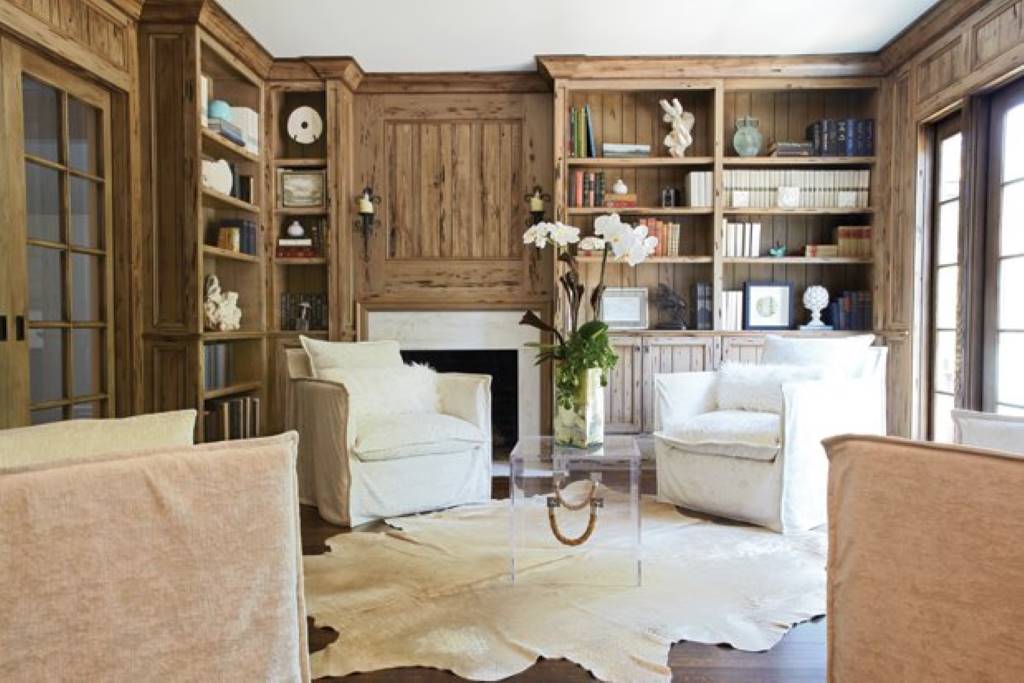
Pecky cypress wall paneling brings a unique, rustic charm to any space, blending natural beauty with timeless appeal. Its distinctive texture, marked by natural holes and knots, tells a story of nature’s artistry, making it a favorite for homeowners seeking character-filled interiors. Whether you’re updating a cozy den or designing a modern coastal retreat, this wood transforms walls into stunning focal points. In this guide, we’ll explore creative ideas for using pecky cypress, from accent walls to full-room designs, to inspire your next project. With its warm tones and organic feel, pecky cypress paneling offers endless possibilities to elevate your home’s aesthetic.
Understanding Pecky Cypress: Nature’s Unique Creation
Pecky cypress is a rare type of cypress wood with natural voids caused by a fungal process, creating a textured, rustic look. Unlike standard cypress, its “pecky” appearance results from pockets or tunnels left by the fungus, which stops once the wood is harvested. According to the U.S. Forest Forest Service, cypress wood is naturally durable and rot-resistant, making it ideal for indoor and outdoor applications. This unique texture adds depth to any room, offering a blend of rustic and sophisticated charm.
The wood’s amber and brown hues, with darker tones in the pecked areas, make it versatile for various design styles. Homeowners love its ability to stand out without overwhelming a space. For example, I once visited a friend’s cabin in Louisiana, where the living room featured pecky cypress wall paneling. The walls seemed to whisper stories of ancient forests, instantly making the space feel warm and inviting. This personal experience showed me how this material can transform a room into a cozy retreat.
Accent Walls: A Bold Statement with Pecky Cypress
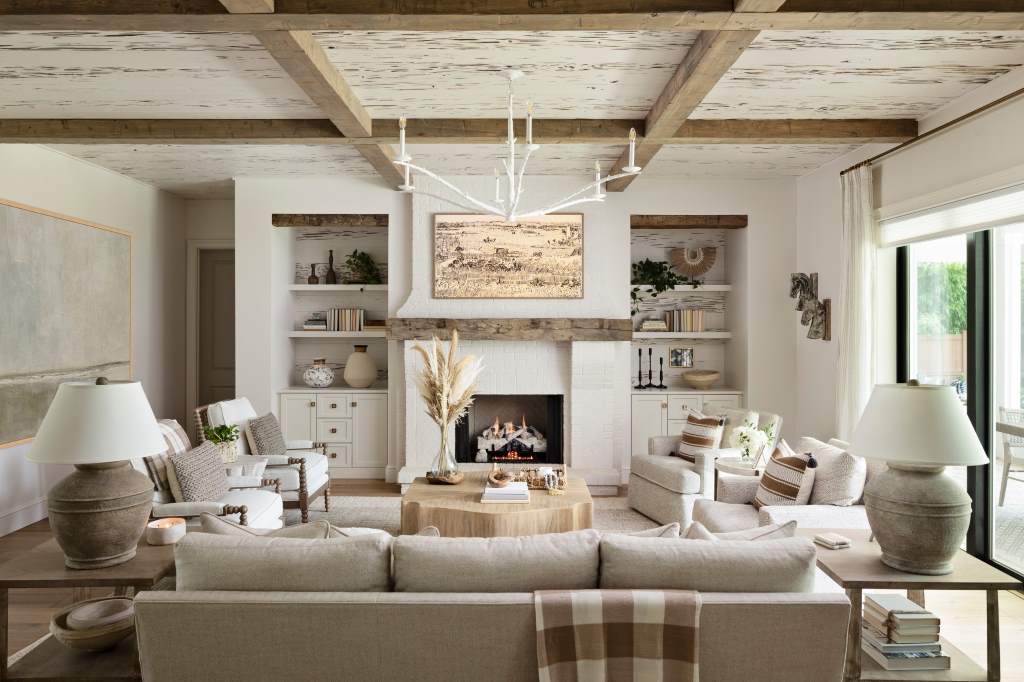
Creating an accent wall with pecky cypress wall paneling is a simple way to add character to any room. This approach highlights the wood’s unique texture without committing to a full-room installation. For instance, a single wall in a living room or bedroom can become a focal point, drawing attention with its natural patterns. According to a 2023 study by the National Association of Home Builders, 68% of homeowners prefer accent walls to enhance room aesthetics without overwhelming the space.
Consider pairing the wood with neutral colors like white or beige to let its texture shine. In a modern home, a pecky cypress accent wall behind a bed or fireplace adds warmth and contrast. Alternatively, in a coastal-style room, a lightly pickled finish can evoke a beachy, driftwood vibe. Installation is straightforward, but ensure a backing material, like kraft paper, is used behind panels with through-holes to prevent insulation exposure. This practical tip ensures both beauty and functionality in your design.
Full-Room Paneling: Immersive Rustic Elegance
For a bolder approach, covering an entire room with pecky cypress wall paneling creates an immersive, rustic ambiance. This works well in spaces like dens, libraries, or dining areas, where the wood’s texture envelops the room in warmth. A 2021 report by the American Institute of Architects noted that 54% of home renovations included natural wood elements to create cozy, inviting interiors. Full-room paneling maximizes this effect, making spaces feel like a retreat.
In my own home, I considered using pecky cypress in our study but hesitated due to maintenance concerns. After researching, I learned that a clear satin polyurethane sealant preserves the wood’s light, natural look while protecting it from dust. For full-room installations, balance the wood’s intensity with light-colored furniture or soft textiles. Additionally, proper lighting, like wrought iron chandeliers or modern black ceiling fans, can highlight the wood’s texture, creating a stunning interplay of light and shadow.
Creative Applications: Beyond Traditional Walls
Pecky cypress isn’t limited to standard wall paneling; it shines in creative applications like ceilings, barn doors, and furniture. A pecky cypress ceiling, for example, adds drama to a kitchen or bedroom, especially when stained gray or pickled white for contrast. The U.S. Department of Agriculture highlights cypress’s durability, noting its resistance to rot, making it suitable for high-moisture areas like bathrooms. This versatility opens up endless design possibilities.
Imagine a sliding barn door made of pecky cypress in a master suite, adding rustic charm with a modern twist. Or consider using it for a custom headboard or fireplace mantel to create a unique focal point. In one project I observed, a designer used pecky cypress for a kitchen island’s base, blending it with marble countertops for a striking effect. These creative uses showcase the wood’s ability to elevate any space, making it a favorite among interior designers.
Styling Tips: Enhancing Pecky Cypress Paneling
Styling pecky cypress wall paneling requires balancing its bold texture with complementary elements. Here are some tips to ensure harmony in your design:
- Neutral Backdrops: Pair with white, beige, or gray walls to let the wood’s texture stand out.
- Soft Textiles: Use linen or cotton upholstery to soften the rustic look, creating a cozy feel.
- Lighting Choices: Install chandeliers or wall sconces to highlight the wood’s natural patterns.
- Minimal Decor: Avoid clutter; let the paneling be the star with simple artwork or mirrors.
These elements enhance the wood’s natural beauty without overwhelming the space. For instance, in a coastal home I visited, pecky cypress walls were paired with blue ottomans and white sofas, creating a serene yet striking aesthetic. Experiment with finishes like light gray glazes to modernize the look, ensuring the wood remains the focal point while blending with your decor.
Maintenance and Care: Keeping Pecky Cypress Beautiful
Maintaining pecky cypress wall paneling is simple but requires attention due to its textured surface. Dust can accumulate in the wood’s voids, so regular cleaning is essential. Use a soft-bristled brush or a vacuum with a narrow nozzle for thorough cleaning. A damp cloth can help, but avoid excess water to prevent damage. According to the U.S. Forest Service, cypress’s natural oils make it resistant to insects, reducing pest concerns.
For sealing, a clear polyurethane or water-based sealant preserves the wood’s light color without darkening over time. In my experience, applying a sealant every few years keeps the paneling vibrant. If the wood darkens, light sanding with 80- to 320-grit sandpaper can restore its original hue. Regular maintenance ensures your pecky cypress remains a stunning feature for years, adding value and charm to your home.
Conclusion
Pecky cypress wall paneling offers a timeless way to infuse your home with rustic elegance and natural beauty. From accent walls to creative ceiling designs, its unique texture transforms spaces into warm, inviting retreats. Whether you’re drawn to its coastal charm or rustic allure, this wood adapts to any style, making it a versatile choice for homeowners. By pairing it with thoughtful decor and proper care, you can create a space that tells a story of nature and craftsmanship. Ready to bring this unique wood into your home? Share your ideas or questions in the comments below, or spread the inspiration by sharing this article with friends!
FAQs
Why is pecky cypress ideal for wall paneling?
Pecky cypress offers a unique, textured look with natural holes, adding rustic charm and durability to walls, perfect for various design styles.
How do I clean pecky cypress wall paneling?
Use a soft-bristled brush or vacuum with a narrow nozzle. A damp cloth works for stubborn dust, but avoid excess water to prevent damage.
Can pecky cypress be used in bathrooms?
Yes, its rot-resistant properties make it suitable for high-moisture areas like bathrooms, especially when properly sealed.
What finishes work best with pecky cypress?
Clear polyurethane or water-based sealants preserve its natural look. Light gray or white glazes can modernize the aesthetic.
Where can I source pecky cypress paneling?
Check local lumber suppliers or online retailers like Total Wood Store or AdvantageLumber for quality options.