Living in Miami, the threat of hurricanes looms large every year. The 2025 hurricane season is no exception, with experts predicting an above-average season. According to the National Oceanic and Atmospheric Administration (NOAA), the Atlantic basin could see 15–20 named storms by November. For Miami residents, preparation is not just a choice—it’s a necessity. Growing up in Miami, I’ve weathered storms like Hurricane Andrew in 1992, which taught me the value of a solid hurricane prep checklist. This blog post shares 12 unique tips tailored for Miami residents to ensure safety and peace of mind. From securing your home to supporting your community, these steps will help you face any storm with confidence. Let’s dive into the checklist and make hurricane prep a story of resilience.
Miami’s Hurricane Risks
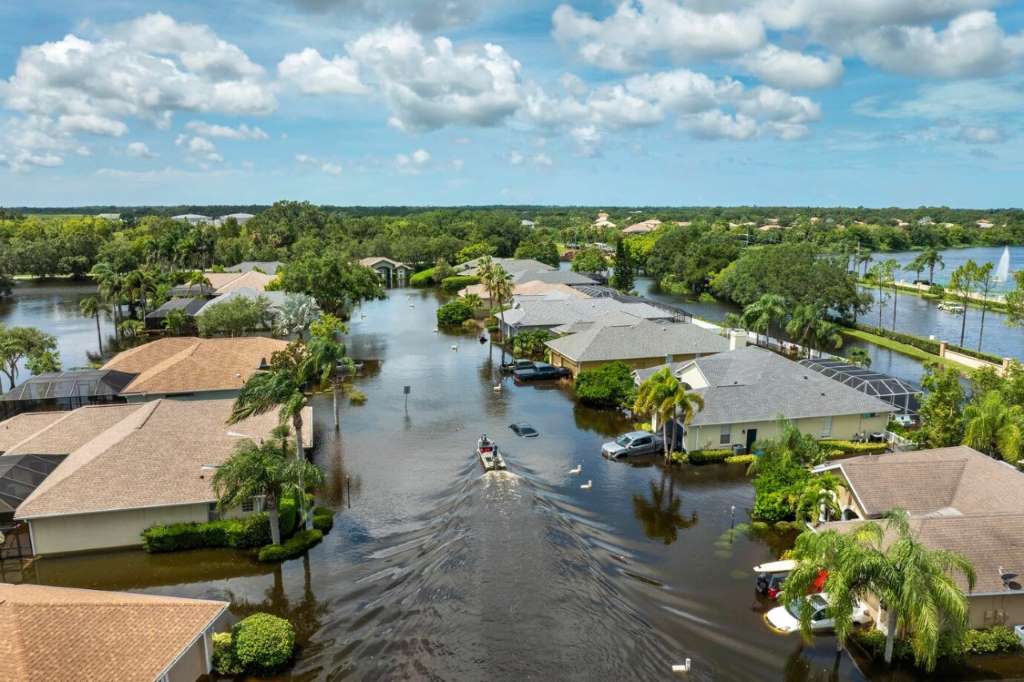
Miami’s coastal location makes it a prime target for hurricanes. The city’s flat terrain and proximity to warm Atlantic waters amplify storm impacts. NOAA reports that Miami-Dade County faces a 1-in-4 chance of a major hurricane (Category 3 or higher) every decade. Storm surges, flooding, and high winds are the biggest threats. For instance, Hurricane Irma in 2017 caused $50 billion in damages across Florida, with Miami hit hard by flooding. As a teenager, I remember helping my family board up windows during Irma’s approach. The anxiety was real, but preparation eased our fears. Understanding these risks helps you prioritize your hurricane prep checklist. Start early—June 1 marks the season’s beginning—and stay informed through trusted sources like the National Hurricane Center (NHC).
Creating a Family Emergency Plan

A family emergency plan is the backbone of hurricane preparedness. Miami’s diverse neighborhoods, from Coconut Grove to Hialeah, require tailored plans. Decide on evacuation routes, as traffic on I-95 can gridlock during storms. Designate a safe meeting point and assign roles, like who grabs the emergency kit. According to FEMA, 60% of Americans lack a family disaster plan, leaving them vulnerable. My family learned this the hard way during Hurricane Wilma in 2005, scrambling to communicate when cell towers failed. Now, we use a group chat and a backup radio. Ensure everyone knows the plan, including kids and pets. Practice it twice a year to build confidence. Additionally, include contact numbers for local shelters, such as the Miami-Dade Emergency Operations Center.
Stocking Your Hurricane Supply Kit
Your hurricane supply kit should sustain you for at least 72 hours. Miami’s humid climate and frequent power outages demand specific supplies. Stock non-perishable foods like canned beans, peanut butter, and granola bars. Aim for one gallon of water per person per day—FEMA recommends a three-day minimum. Don’t forget medications, flashlights, batteries, and a first-aid kit. During Hurricane Maria’s aftermath in 2017, I volunteered at a Miami shelter and saw families struggle without basic supplies. Include pet food, baby formula, and hygiene items. Store everything in waterproof containers to combat Miami’s flood risks. Pro tip: Rotate supplies every six months to keep them fresh. Visit ready.gov for a complete checklist.
Common Mistakes in Building a Supply Kit
- Forgetting special needs: Overlooking medications or dietary restrictions.
- Buying last-minute: Stores often sell out before a storm.
- Ignoring expiration dates: Old food or batteries can fail you.
- Skimping on water: Underestimating daily water needs.
- Neglecting pets: Forgetting food or carriers for animals.
- Skipping cash: ATMs and card readers may not work.
Securing Your Home Against the Storm
Miami homes, from stilt houses in Key Biscayne to condos downtown, need storm-proofing. Install hurricane shutters or plywood boards—FEMA says they reduce window damage by 80%. Reinforce garage doors, as they’re a common weak point. During Hurricane Andrew, my neighbor’s unsecured patio furniture became dangerous projectiles. Anchor outdoor items and trim trees to prevent debris hazards. Check your roof for loose tiles, especially on older Miami homes. Flood barriers or sandbags can protect against storm surges, which NOAA predicts could reach 6–9 feet in Miami during a Category 4 storm. If you rent, coordinate with your landlord early. Finally, document your home’s condition with photos for insurance claims.
Knowing When to Evacuate
Evacuation decisions can save lives, but timing is critical. Miami-Dade County issues evacuation orders based on storm strength and surge risks. Coastal areas like Miami Beach are often first to evacuate. Monitor NHC updates and local news for alerts. In 2017, Hurricane Irma prompted 650,000 Floridians to evacuate, clogging highways. My family stayed during a Category 1 storm but left for Irma, a tough but wise choice. Plan multiple routes—Palmetto Expressway is an alternative to I-95. Pack essentials, including documents and medications, in a go-bag. If you can’t evacuate, identify a sturdy interior room or a local shelter. Check miamidade.gov for shelter locations.
Preparing Your Vehicle for a Hurricane
Your car is a lifeline during a hurricane, whether evacuating or navigating post-storm debris. Keep your gas tank at least half-full during hurricane season, as stations often run dry. During Hurricane Harvey in 2017, 30% of drivers were stranded due to fuel shortages, per AAA. Check tires, wipers, and batteries—Miami’s heat can wear them down. Pack a car emergency kit with jumper cables, a spare tire, and snacks. I once helped a neighbor jump-start their car after a storm drained its battery. Park in a garage or away from trees to avoid damage. If evacuating, map out gas stations along your route. AAA’s website offers vehicle prep tips.
Staying Informed During the Storm

Reliable information keeps you safe during a hurricane. Miami’s tropical climate can shift storm paths quickly, so track updates via NOAA’s NHC or local stations like WSVN. A battery-powered or hand-crank radio is essential if power fails. During Hurricane Katrina in 2005, my family relied on a radio for updates when cell service died. Sign up for Miami-Dade’s emergency alerts at miamidade.gov. Avoid social media rumors—stick to verified sources. Download apps like FEMA or Red Cross for real-time data. Additionally, keep a physical map, as GPS may fail. Staying informed empowers you to adjust your plan as the storm evolves.
Protecting Important Documents
Hurricanes can destroy irreplaceable documents, so safeguard them early. Store birth certificates, passports, insurance policies, and property deeds in a waterproof, fireproof safe. FEMA reports that 40% of disaster victims lose critical paperwork, delaying recovery. During Hurricane Irma, my cousin lost uninsured medical records, causing weeks of stress. Back up digital files on a USB drive or cloud service. Take photos of insurance policies and email them to yourself. Keep a hard copy of emergency contacts. If evacuating, bring your safe or key documents. For extra protection, seal items in plastic bags. Visit fema.gov for document prep guides.
Supporting Your Community
Hurricanes test Miami’s tight-knit communities, but preparation strengthens bonds. Check on elderly neighbors or those with disabilities—FEMA notes that 25% of seniors need assistance during disasters. Join or start a neighborhood prep group to share resources. I recall organizing a block cleanup after Hurricane Wilma, which brought us closer. Donate to local shelters or food banks before the season peaks. Volunteer with organizations like the Red Cross, which supported 1.4 million Floridians during Irma. Share your hurricane prep checklist with friends to spread awareness. A prepared community recovers faster and saves lives.
Common Hurricane Prep Mistakes to Avoid
Miami residents often make preventable errors in hurricane prep. Here are key pitfalls to dodge:
- Waiting too long: Delaying prep until a storm is near risks shortages.
- Ignoring flood risks: Underestimating Miami’s surge and rainfall threats.
- Skipping insurance checks: Not reviewing coverage can lead to claim denials.
- Overlooking pets: Failing to plan for animals’ safety and comfort.
- Neglecting mental prep: Anxiety can impair decision-making without practice.
- Misjudging storm strength: Assuming a lower-category storm is safe.
Planning for Post-Storm Recovery
After a hurricane, recovery begins immediately. Miami’s infrastructure, from power lines to roads, can take weeks to restore. Stock a recovery kit with tools, gloves, and tarps for minor repairs. During Hurricane Andrew, my family used tarps to cover a damaged roof, saving our home from further harm. Contact your insurance provider promptly—FEMA advises filing claims within 60 days. Beware of scams; verify contractors through the Better Business Bureau. Document damage with photos and keep receipts for repairs. Restock your supply kit, as another storm could follow. Recovery is tough, but preparation makes it manageable. Visit bbb.org for scam prevention tips.
Staying Calm and Resilient
Mental resilience is as vital as physical prep. Hurricanes bring stress, especially in Miami, where storms are a way of life. Practice mindfulness techniques like deep breathing to stay calm. During Irma, I used journaling to process anxiety, which helped me focus. FEMA suggests creating a support network of friends or counselors. Limit news exposure to avoid overwhelm—once-a-day updates suffice. Teach kids coping skills through games or stories. Rehearse your hurricane prep checklist to build confidence. Resilience ensures you emerge stronger, ready to rebuild and thrive.
Conclusion
Miami’s vibrant spirit shines through even the fiercest storms. With this hurricane prep checklist, you’re equipped to protect your family, home, and community. From securing documents to supporting neighbors, these 12 unique tips blend practical steps with Miami-specific insights. My experiences, from Andrew to Irma, underscore the power of preparation. NOAA predicts a busy 2025 season, so start now—don’t wait for a storm’s approach. Share this checklist with loved ones and comment below with your own tips or stories. Together, we’ll weather any storm. Stay safe, Miami!
FAQs
What should I include in my hurricane supply kit?
Stock water, non-perishable food, medications, flashlights, batteries, and pet supplies for 72 hours.
When should I evacuate during a hurricane?
Evacuate when authorities issue orders, especially in coastal areas, or if your home is unsafe.
How can I protect my Miami home from hurricanes?
Install shutters, reinforce doors, anchor outdoor items, and use sandbags to prevent flooding.
Where can I find reliable hurricane updates?
Use NOAA’s NHC, local news, or FEMA apps for verified, real-time storm information.
How do I help my community during a hurricane?
Check on neighbors, donate to shelters, and volunteer with groups like the Red Cross.