A convention season survival guide for gamers starts with one hard truth: a three-day show will drain your energy, your budget, and your feet long before the exhibit hall closes. Between the schedule, the lines, and the hotel costs, a first-timer can lose track of why they came. Community hubs like GamesPlatformHub track events and dates, yet the planning still lands on you. This guide covers what to pack, how to pace yourself, and which mistakes fill the most regret.
Quick answer: Plan your days around two or three must-see panels or demos, not the whole schedule. Pack light, wear broken-in shoes, bring backup power and snacks, and set a clear spending limit before you leave home. Build in rest breaks and accept that you cannot do everything.
What is convention season survival guide for gamers?
It is a practical plan for getting through a run of gaming conventions without burnout, overspending, or missing the moments you paid to experience. Conventions cluster in the same months—spring and late summer in much of the US—so fans often attend two or three shows within a few weeks. The same person may hit a large expo, a local anime-and-gaming show, and a smaller tournament event in one season. Each one has different scale, but the survival basics repeat.
What a typical show demands
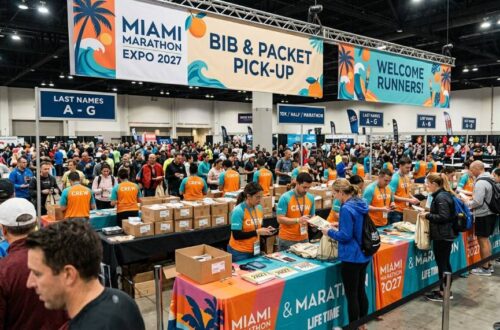
Most multi-day conventions share a similar rhythm. Exhibit halls open early, panels fill up before the doors officially close, and evening events run late. Gamers also queue for hands-on demos that can swallow an hour for a few minutes of play. The result is a day where standing, walking, and waiting consume more time than actual gaming. If you expect a relaxed afternoon of play, the reality of crowded aisles will frustrate you.
Why gamers need their own approach
Gaming conventions combine the pressure of a fan show with the draw of exclusive demos, tournaments, and merch drops. That mix encourages long sessions at a single booth or stage. You can easily lose two hours in one spot while the rest of the hall stays unexplored. A survival guide for gamers treats time as the scarcest resource, because it is. Plan the schedule around the events you cannot miss, then let the rest fill in around them.
What this guide covers
The plan breaks into three parts: preparation before the trip, behavior during the show, and a recovery period afterward. Preparation handles tickets, lodging, and packing. The show itself is about pacing, money, and choosing what to skip. Afterward comes sleep, unpacking, and reviewing what worked. The middle part is where most of the difficulty sits, and it is also where this guide spends most of its effort.
A tiny local show and a major expo need very different plans. Match your packing and pacing to the size of the event.
Key takeaway: Treat convention season as a schedule to manage, not a single outing, and the whole season gets easier.
Why convention season survival guide for gamers matters
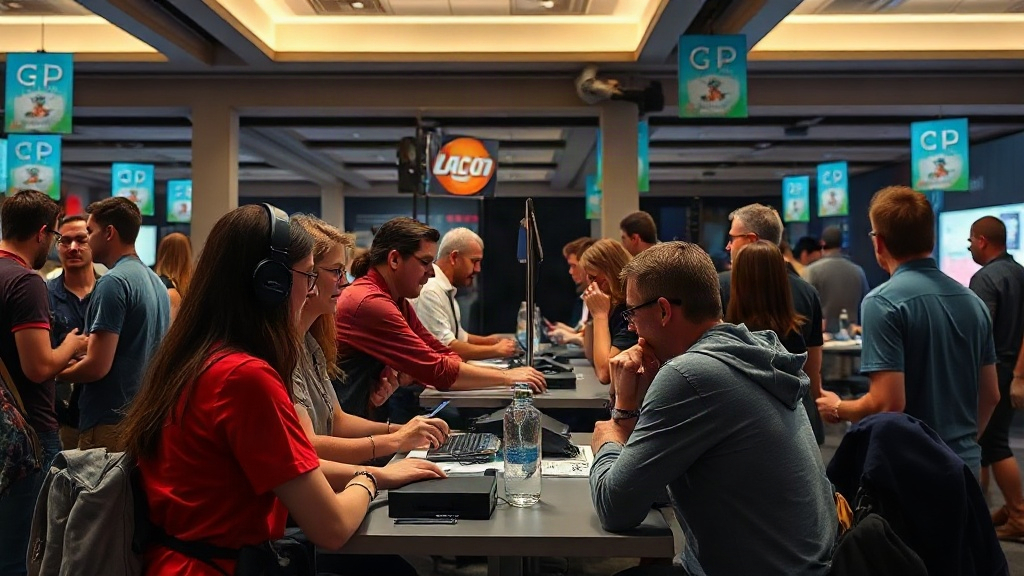
Gamers face a set of costs and pressures that a casual attendee does not. A single bad season can mean hundreds of dollars spent on demos you never saw and panels you were too exhausted to enjoy. The stakes are real because conventions are expensive and often non-refundable once booked. A good plan protects both your budget and your memories. Poor planning shows up later as fatigue and regret, not during the excitement of the first day.
Money disappears faster than expected
Between a badge, hotel nights, food, and merch, the total climbs quickly. The small purchases hurt most: a $6 snack three times a day adds up without feeling like spending. A hard budget with a cash or prepaid limit makes the cost visible. Gamers who budget for merch and food separately tend to come home without credit card shock. Treat the badge as only the first line item, not the whole cost.
Energy is a finite resource at conventions
Convention centers are huge. Walking between halls often covers several miles across the day. Add standing in queues and thin sleep from late events, and the second day can feel rougher than the first. Pacing is not laziness; it is preparation. Gamers who plan rest breaks usually make it to the closing day with enough energy to enjoy the final panels.
The best moments reward preparation
Panels, autograph sessions, and hands-on demos often require early arrival or a pre-registration. Missing a favorite voice actor because you slept in is a common story. A little planning around the highest-priority events makes them more likely to happen. The trade-off is flexibility, so plan for two must-sees per day and leave slack elsewhere.
Key takeaway: A survival plan pays for itself in money kept and energy preserved.
Best practices
Preparation and daily habits do most of the work. Set a fixed budget, build a loose itinerary, and protect your body. The following practices fit most events, from a local arcade show to a major convention. Review them before booking anything, and again the week before you travel.
Prepare before you leave
- Book lodging early and close to the venue. Walking distance costs more but saves time and taxi fares.
- Buy badges during early-bird windows when available, and confirm what each badge tier includes.
- Set a spending limit and separate merch money from food money.
- Pack a small bag with a portable battery, chargers, refillable water bottle, snacks, and any medication.
- Break in your shoes weeks ahead. Foot pain ends more convention days early than almost anything else.
- Check the schedule and write down two or three priority events per day.
Pace yourself during the show
Start the morning with the event that matters most, while your energy is highest. Take a real break at midday, even if it is just sitting outside the hall or returning to the room. Skip at least one optional panel on a busy day. If a demo has a line longer than about an hour, decide whether it is worth your time before joining. A rough path between halls also helps. Browse the quieter aisles first and hit the packed booths before prime hours.
Protect your body and money
Hydrate, snack regularly, and wear layers for cold halls. Note the nearest exit and first-aid station. Use a credit card with a limit for large purchases, and pay cash for small ones. If you plan a big show, check the complete PAX West 2026 guide for venue and scheduling details. Review receipts the same evening so surprise charges surface while you can still act.
Key takeaway: Plan early, keep pacing steady, and keep spending visible.
Common mistakes to avoid
Mistakes cluster around three areas: over-scheduling, overspending, and ignoring your body. Each is avoidable with a simple rule. The list below covers the most common pitfalls first-timers hit during a busy season.
Over-scheduling and over-booking
Many attendees treat the schedule as a checklist and fail to complete it. Give each day a buffer so you can recover from delays. Back-to-back panels in distant rooms almost always runs late. Build gaps between sessions, and accept that one missed panel will not ruin the trip. The events you skip hurt less than the exhaustion of racing between everything.
Overspending and impulse buying
Deals look urgent at a convention. Limit them with a fixed budget and a set time for merch buying. Purchase once on the first day, review, then buy more later with leftover money. Waiting a day also clears the impulse and reveals what you actually wanted.
Ignoring rest, food, and hydration
Skipping meals and sleep to catch one more event backfires on the following day. Eat real food, sleep a reasonable number of hours, and do not push through muscle cramps or headaches. The body’s signals deserve the same respect as the schedule.
Know the exits and keep your bag close in dense crowds. Watch for trip hazards, and do not stop suddenly in a busy aisle.
Forgetting the plan after the show
Unpacking the same night and reviewing notes seems minor, but it saves your next trip. Write down the events that worked, the spend totals, and the items you packed but never used. That record makes the next season easier and cheaper.
Key takeaway: Guard your time and money with a few firm rules, and rest as hard as you play.
FAQ
How much should I budget for a weekend convention?
For a large show, expect badge, lodging, food, and transport to dominate the cost. Add a separate merch allowance and set it in advance. Final totals vary with location and hotel choice, so track your own costs from the previous trip.
Is it worth going for a single day instead of the whole weekend?
A single day works well for a local show or when you have one clear goal. Choose the day with the best lineup and arrive at opening. Multi-day badges make more sense for large expos, where one day cannot cover the aisles and panels.
What should I pack first?
Start with a portable battery, chargers, water bottle, snacks, medication, broken-in shoes, and layers. Those items handle most emergencies. If you plan to buy merch, pack a cloth bag and some empty space. Buy anything else on-site only if necessary.
How do I handle long lines?
Check the queue before committing. For a high-priority demo, arrive early and expect to wait 30 to 60 minutes. For anything else, browse other booths and return later. Reading the schedule ahead of time usually shortens the worst lines.
How many conventions should I attend in one season?
Two or three is a common range for committed fans. Space them out by several weeks so recovery and costs stay manageable. Pick your top event first, then add smaller local shows. One great trip beats three exhausting ones.
Conclusion
A calmer convention season comes from a few small habits: fixed budgets, loose itineraries, and real rest breaks. Track your costs and pace yourself each day. Write down what worked after every trip, then refine the plan before the next one. The focus keyphrase is a reminder, not a rulebook, because the details shift with the venue and the year. Pick your highest-priority event next, buy the badge early, and build the rest of the plan around it.