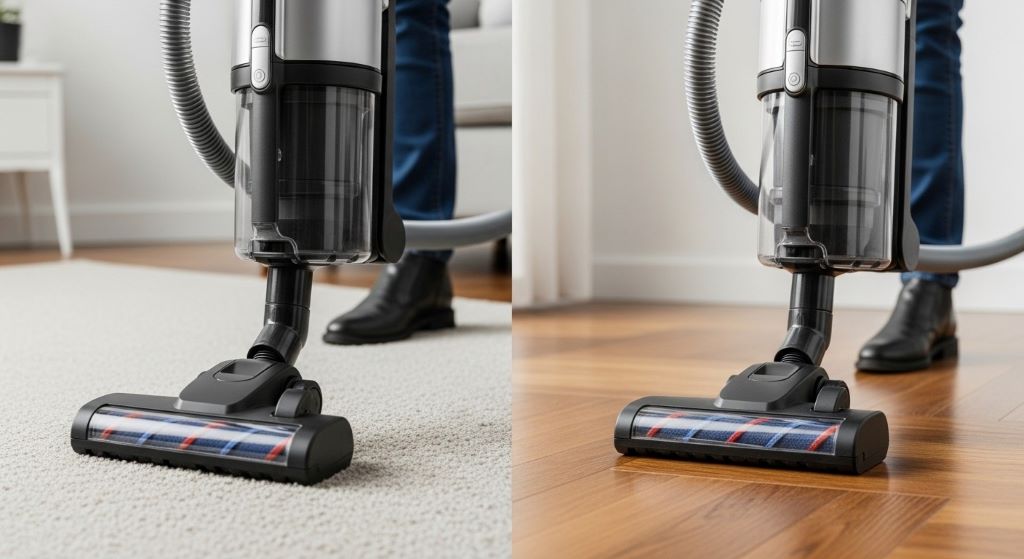
Selecting the perfect vacuum cleaner can feel overwhelming with countless options flooding the market. Your flooring type plays a crucial role in determining which vacuum will work best for your home. This comprehensive floor type cleaning guide will help you make an informed decision that keeps your surfaces spotless and well-maintained.
Why Floor Type Matters in Vacuum Selection
Different flooring surfaces have unique cleaning requirements. Carpets trap dirt deep within their fibers, while hardwood floors require gentle care to avoid scratches. Therefore, understanding these differences ensures you invest in equipment that delivers optimal results without causing damage.
Many homeowners have mixed flooring throughout their homes. One room might feature plush carpeting, while another showcases beautiful hardwood. This diversity creates additional considerations when shopping for cleaning equipment.
Understanding Carpet Cleaning Needs
Carpets present specific challenges that demand particular attention. The fibers create a dense network where pet hair, dust, and debris settle deep below the surface. Standard cleaning methods often fail to extract these embedded particles effectively.
High-pile carpets need strong suction to pull dirt from deep within the fibers. Low-pile varieties require less aggressive cleaning but still benefit from motorized brush rolls. Additionally, area rugs demand adjustable settings to prevent damage while ensuring thorough cleaning.
The thickness of your carpet padding also influences vacuum performance. Thicker padding creates more resistance, requiring machines with robust motors. However, this extra power must be balanced with proper filtration to prevent redistributing dust into your living space.
Hardwood Floor Considerations
Hardwood floors require a gentler approach than their carpeted counterparts. These surfaces scratch easily when subjected to rough brushes or wheels. Furthermore, excessive suction can pull debris across the surface, creating fine scratches over time.
Sealed hardwood tolerates more moisture and aggressive cleaning than unsealed varieties. Nevertheless, both types benefit from vacuums designed specifically for hard surfaces. These models typically feature soft roller brushes or felt-covered attachments.
Gaps between hardwood planks trap dirt and require focused attention. Crevice tools work well for these areas, though some modern vacuums include specialized attachments for this purpose. Moreover, regular maintenance prevents buildup that becomes harder to remove later.
The Power of Suction Strength
When comparing vacuum cleaners, suction power stands out as a critical factor. Measured in air watts or pascals, this specification indicates how effectively a machine lifts dirt from surfaces. A detailed suction strength comparison reveals significant differences between models.
Carpets generally require higher suction levels than hardwood floors. Dense fibers hold onto debris more tenaciously, demanding greater pulling power. However, excessive suction on hardwood can actually hinder performance by creating a seal that prevents the vacuum head from moving smoothly.
Adjustable suction settings provide flexibility for homes with varied flooring. These controls let you increase power for deep carpet cleaning, then reduce it for delicate hardwood surfaces. Consequently, one machine handles multiple tasks without requiring separate equipment.
Multi-Surface Vacuum Options
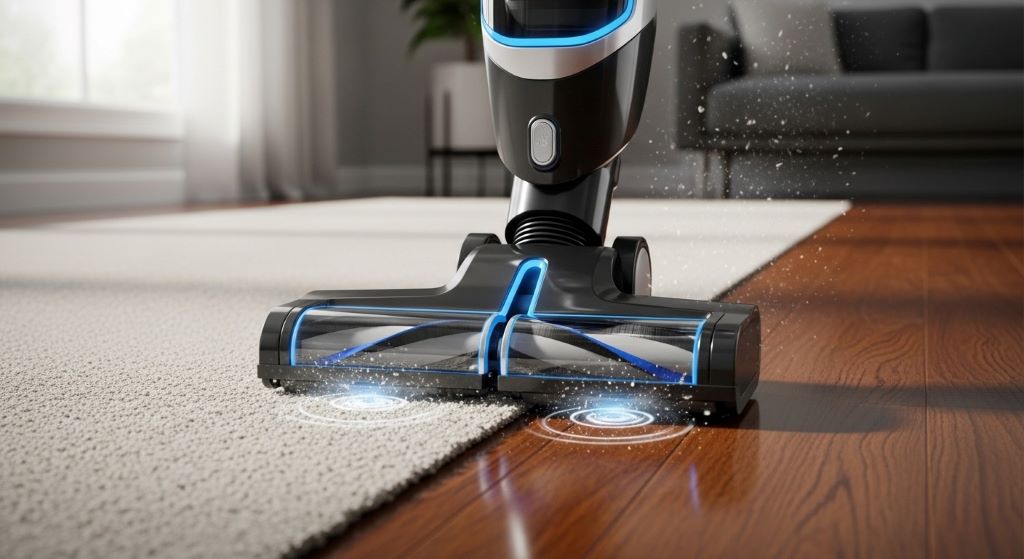
A multi-surface vacuum offers versatility that single-purpose cleaners cannot match. These machines adjust automatically or manually to accommodate different flooring types. This adaptability makes them ideal for homes with diverse surfaces throughout various rooms.
Modern versions include sensors that detect floor type and adjust settings accordingly. This technology eliminates guesswork and ensures optimal performance on every surface. Additionally, it prevents user error that might damage sensitive flooring.
Manual adjustment models cost less but require you to change settings when moving between rooms. While this takes extra effort, it still provides the flexibility needed for mixed flooring homes. Therefore, consider your budget and preference for automation when choosing between options.
Brush Roll Technology Explained
The brush roll represents another crucial component in vacuum performance. Rotating brushes agitate carpet fibers, loosening embedded dirt for easier extraction. However, these same brushes can scatter debris on hardwood rather than collecting it.
Many quality vacuums feature brush rolls that turn on and off as needed. This function protects hardwood while maintaining carpet cleaning effectiveness. Furthermore, some models use different brush types for various surfaces, swapping between them automatically.
Soft roller technology has revolutionized hardwood cleaning. These gentle brushes pick up debris without scratching, making them safe for even the most delicate finishes. Moreover, they work effectively on tile and laminate flooring as well.
Weight and Maneuverability Factors
Vacuum weight significantly impacts your cleaning experience. Lighter models prove easier to carry upstairs or move between rooms. However, they sometimes sacrifice power or durability to achieve reduced weight.
Heavier vacuums often include more robust motors and larger dust containers. These features enhance performance but make the machine more challenging to maneuver. Therefore, balance your need for power against your physical capabilities and home layout.
Swivel steering improves maneuverability regardless of weight. This feature allows the vacuum head to turn easily around furniture and into corners. Additionally, low-profile designs reach under beds and sofas more effectively than bulkier alternatives.
Filtration Systems and Air Quality
Quality filtration protects your indoor air quality while cleaning. Standard filters capture large particles but allow fine dust to recirculate. Advanced systems trap microscopic allergens, benefiting household members with sensitivities.
HEPA filters represent the gold standard in vacuum filtration. These components capture 99.97% of particles as small as 0.3 microns. This level of filtration proves especially important in homes with pets, allergies, or respiratory concerns.
Sealed systems prevent unfiltered air from escaping the vacuum body. Without this feature, dust can leak from seams and joints, undermining filtration effectiveness. Consequently, look for vacuums that emphasize complete air sealing in their design.
Corded vs Cordless Considerations
Power source affects both performance and convenience. Corded models provide unlimited runtime and consistent suction strength. They work well for large homes or extended cleaning sessions without interruption.
Cordless vacuums offer unmatched convenience and maneuverability. Modern battery technology delivers impressive power, though runtime remains limited. These models excel for quick cleanups or homes where outlets are scarce.
Battery capacity varies significantly between cordless models. Premium options run for 60 minutes or more on a single charge. Budget versions might only manage 20 minutes, which could prove insufficient for larger homes.
Attachments and Accessories
Specialized tools expand vacuum versatility beyond basic floor cleaning. Crevice tools reach tight spaces, while upholstery brushes clean furniture effectively. Dusting brushes handle delicate surfaces like lampshades and electronics.
Floor-specific attachments optimize performance on different surfaces. Hardwood tools feature soft bristles that won’t scratch, while carpet attachments include stiff brushes for deep cleaning. Having both options ensures proper care for every area.
Pet hair tools deserve special mention for animal owners. These attachments use rubber or specialized bristles to lift stubborn fur from furniture and carpets. Additionally, some include anti-tangle designs that prevent hair from wrapping around the brush roll.
Bagless vs Bagged Systems
Bagless vacuums offer cost savings and environmental benefits. You simply empty the dust container when full, eliminating ongoing bag expenses. However, this process can release dust back into the air during disposal.
Bagged systems contain dust more effectively during disposal. This feature benefits allergy sufferers who want minimal exposure to collected debris. Nevertheless, replacement bags add to long-term ownership costs.
Dust container size affects how frequently you need to empty or change bags. Larger capacities suit bigger homes or those with heavy shedding pets. Smaller containers work fine for apartments or homes cleaned frequently.
Noise Levels and Operation
Vacuum noise can significantly impact your household comfort. Loud machines disturb conversations, frighten pets, and limit when you can clean. Therefore, noise levels deserve consideration during the selection process.
Motor design and insulation influence operational volume. Well-engineered vacuums balance powerful suction with reasonable noise levels. Reading reviews helps identify models that perform quietly without sacrificing effectiveness.
Hardwood floors often amplify vacuum noise more than carpets. The hard surface reflects sound rather than absorbing it. Consequently, quiet operation becomes even more valuable in homes with extensive hardwood flooring.
Budget Considerations and Value
Vacuum prices range from under one hundred dollars to well over a thousand. Higher prices often reflect better construction, stronger motors, and more features. However, expensive doesn’t always mean better for your specific needs.
Assess which features you truly need versus those that sound appealing but won’t see regular use. A basic model with excellent suction and durability might serve you better than a feature-packed vacuum that underperforms. Additionally, consider long-term costs like bags, filters, and maintenance.
Warranty coverage indicates manufacturer confidence in product durability. Longer warranties suggest quality construction that will withstand years of use. Furthermore, good customer service support helps if problems arise during ownership.
Making Your Final Decision
After considering all these factors, narrow your choices to a few top contenders. Read detailed reviews from actual users who have similar flooring to yours. Their experiences provide valuable insights into real-world performance.
Visit stores to test models in person when possible. Feel the weight, try the controls, and assess build quality. This hands-on evaluation often reveals details that specifications and reviews cannot convey.
Remember that the best vacuum for your neighbor might not suit your home. Your specific flooring, budget, and cleaning habits all influence what will work best. Therefore, prioritize features that address your unique situation rather than simply choosing the most popular model.
Conclusion
Choosing between vacuums for carpet versus hardwood floors requires careful consideration of multiple factors. Understanding your floor type cleaning guide starts with recognizing the unique demands of each surface. Carpets need powerful suction and agitating brushes, while hardwood requires gentle care to prevent damage. A thorough suction strength comparison helps you identify models with appropriate power for your needs.
Multi-surface vacuum cleaners offer excellent versatility for homes with mixed flooring. These adaptable machines adjust to different surfaces, providing optimal cleaning without the need for multiple devices. Consider brush roll technology, weight, filtration quality, and power source when making your selection.
Remember to evaluate attachments, noise levels, and budget constraints as part of your decision process. The perfect vacuum balances performance, convenience, and value while addressing your specific flooring needs. By following this guide, you’ll find a vacuum that keeps your home clean and your floors looking their best for years to come.
Frequently Asked Questions
Can I use the same vacuum on both carpet and hardwood floors?
Yes, many modern vacuums work effectively on both surfaces. Look for models with adjustable suction, brush roll controls, or automatic surface detection. These features protect hardwood while maintaining strong carpet cleaning performance.
How much suction power do I really need?
Suction requirements depend on your flooring type. Thick carpets need 200-300 air watts, while hardwood performs well with 100-150 air watts. Adjustable suction lets one vacuum handle both effectively.
Are cordless vacuums powerful enough for deep carpet cleaning?
Premium cordless models now rival corded vacuums in suction strength. However, battery life limits extended cleaning sessions. They work excellently for routine maintenance but might struggle with heavily soiled carpets.
Will vacuum wheels scratch my hardwood floors?
Quality vacuums feature rubberized or felt-covered wheels that won’t scratch hardwood. Avoid models with hard plastic wheels, and always check manufacturer specifications regarding hardwood safety.
How often should I replace vacuum filters?
Replace filters every 3-6 months depending on usage frequency and air quality concerns. Washable filters extend life but require regular cleaning. Always follow manufacturer recommendations for your specific model.
Related Topics:
Miami Pet-Friendly Porch Renovations: Transform Your Space for Furry Friends
Clever Vertical Storage Solutions for Brickell Apartments