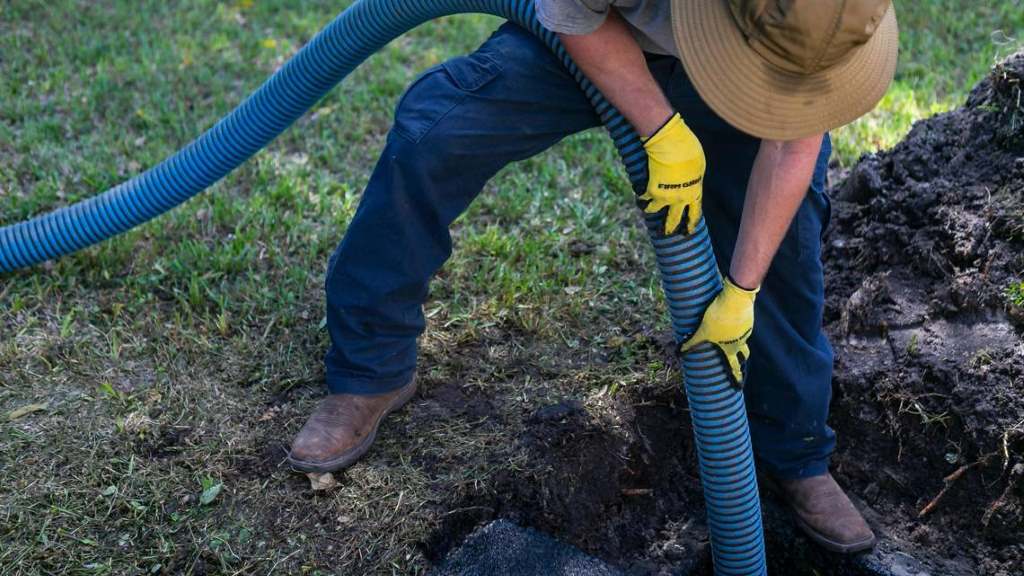
In Miami-Dade County, the shift from septic systems to sewer connections is more than a home improvement project—it’s a movement to safeguard our environment. Imagine a homeowner, Maria, watching her yard flood during heavy rains, unaware her septic tank is leaking nutrients into Biscayne Bay. Septic to sewer conversion requirements in Miami-Dade aim to address this, protecting public health and local waterways. With rising sea levels threatening 9,000 septic systems, the county’s Connect 2 Protect program is a lifeline. This blog post tells the story of why and how residents can make this vital switch, ensuring cleaner waters for all.
Why Convert from Septic to Sewer?
Septic systems, common in 120,000 Miami-Dade properties, are becoming environmental hazards. Rising groundwater from sea level rise compromises their function, causing leaks that pollute Biscayne Bay. According to a 2018 Miami-Dade County report, 64% of septic systems are periodically compromised when the water table rises, reducing treatment efficiency. This leads to nutrient-rich waste seeping into groundwater, harming ecosystems and drinking water.
Moreover, failing systems can cause backups into homes, posing health risks. Converting to sewer systems eliminates these issues, ensuring waste is treated at modern facilities. For Maria, the decision to convert came after a flooded yard revealed her septic tank’s failure. The switch not only protected her property but also contributed to the county’s goal of reducing pollution in Biscayne Bay, a critical natural resource.
Understanding Miami-Dade’s Connect 2 Protect Program
The Connect 2 Protect initiative is Miami-Dade’s ambitious plan to convert over 100,000 properties from septic to sewer systems. Launched in 2022, it prioritizes areas like Little River, where septic failures are rampant. The program offers financial assistance, including grants up to $15,000 for eligible homeowners, making the transition affordable. For instance, Maria applied for a zero-interest loan, easing her financial burden.
Additionally, the county has invested $126 million in General Obligation Bond funds to connect 1,000 commercial properties, with 24,000 linear feet of sewer lines already installed. This effort not only protects the environment but also boosts economic growth by enabling development. Homeowners can check eligibility through the Miami-Dade Water and Sewer Department’s website, ensuring a smooth process.
Key Requirements for Septic to Sewer Conversion
Converting from septic to sewer in Miami-Dade involves specific steps. First, homeowners must confirm if a public sewer line is available nearby using the iWASD Connect GIS Viewer. If a line is accessible, a Notice of Sewer Availability triggers a 90-day deadline to connect. Permits for sewer connection and septic tank abandonment are mandatory, requiring a licensed plumber and engineer-drawn plans.
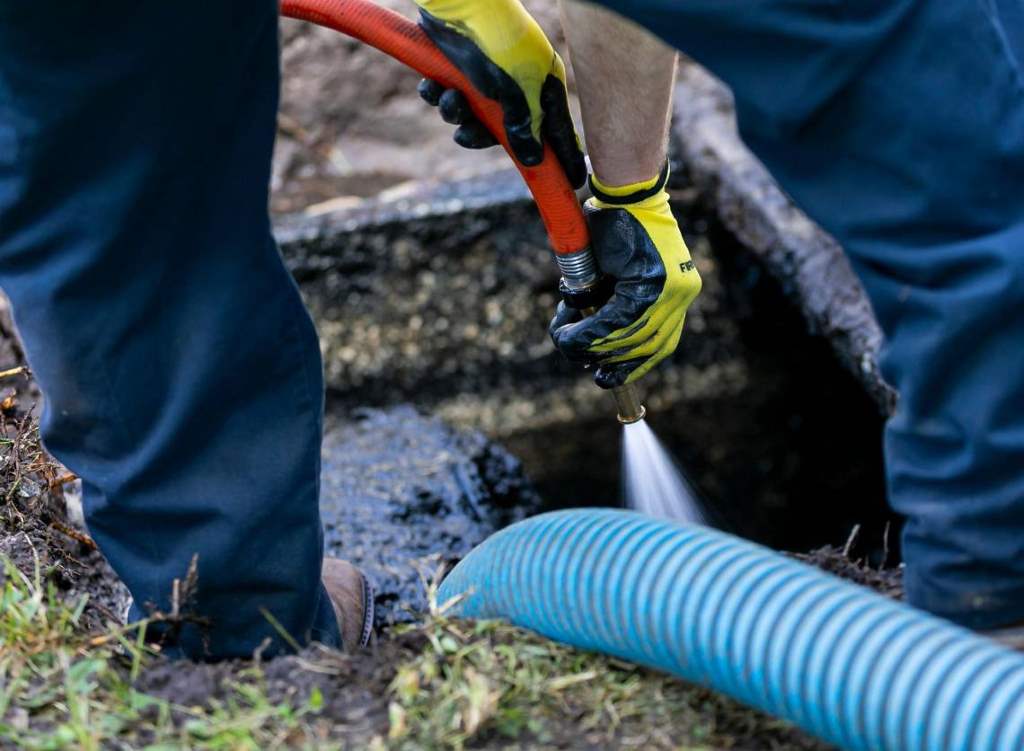
The process can cost $7,500-$15,000, covering plumbing, permits, and abandonment. However, financial assistance programs help offset costs. Maria’s experience highlights the importance of hiring a reliable contractor to avoid issues like yard damage. Compliance with local codes ensures the system is properly abandoned, preventing future environmental harm.
Environmental and Economic Benefits
Switching to sewer systems offers significant environmental benefits. Septic systems discharge nutrients like nitrates, fueling algae blooms in Biscayne Bay. The county’s conversion of 11,000 septic tanks will transfer 500,000 gallons of wastewater daily to treatment plants, reducing pollution. This protects marine life and drinking water, vital for Miami-Dade’s ecosystem.
Economically, sewer connections unlock development potential. Properties in areas like Ojus can now support higher-density projects, boosting tax revenue. The Connect 2 Protect program has created 5,000 local jobs, stimulating the economy. For Maria, the conversion increased her property’s value, allowing for future renovations without septic restrictions. These benefits make the switch a win-win for residents and the county.
Challenges and Considerations
Despite the benefits, septic to sewer conversion has challenges. The high cost, estimated at $4 billion for 100,000 properties, can deter homeowners. Even with grants, some, like Maria, face unexpected expenses, such as landscaping repairs post-conversion. Additionally, coordinating with contractors and securing permits can be time-consuming.
Another concern is the priority system. Areas with severe septic issues, like Little River, are addressed first, leaving others waiting. According to the Miami Herald, only 100 homes have been converted so far, with 775 more in progress. Residents in less urgent areas may face delays. To navigate these hurdles, homeowners should plan early, research funding, and consult the Florida Department of Environmental Protection for regulations.
How to Prepare for Conversion
Preparation is key for a smooth septic to sewer transition. Start by checking your property’s sewer availability online. Next, gather documents like tax returns and proof of Homestead Exemption for financial assistance applications. Hiring a licensed plumber and engineer ensures compliance with Miami-Dade’s codes. Maria learned to verify contractor credentials after her initial choice caused delays.
Additionally, maintain your septic system until conversion to avoid failures. Regular inspections, as recommended by the county, extend system life and minimize environmental impact. Budgeting for costs, even with grants, is crucial. Homeowners can contact the Miami-Dade Water and Sewer Department at [email protected] for guidance. Proper planning ensures a hassle-free process and protects your property.
Community Impact and Future Outlook
The septic to sewer shift is transforming Miami-Dade communities. By reducing pollution, the program enhances public health and preserves Biscayne Bay’s beauty. Projects like the Ojus Sanitary Sewer Expansion, where 107 property owners funded a $10 million upgrade, show community commitment. This initiative will support 700 new residential units and 40 businesses, fostering growth.
Looking ahead, the county aims to convert 13,000 tanks by 2027, with $230 million allocated. However, rising sea levels could compromise 13,500 systems by 2040, urging faster action. Maria’s neighborhood now enjoys cleaner waterways and safer homes, inspiring others to join. The program’s success depends on resident participation and funding, promising a resilient future for Miami-Dade.
Conclusion
The journey from septic to sewer in Miami-Dade County is a story of resilience and responsibility. For homeowners like Maria, converting systems means protecting homes and Biscayne Bay from pollution. With 120,000 septic systems threatening the environment, the Connect 2 Protect program offers hope through financial aid and clear requirements. Despite challenges, the environmental and economic benefits are undeniable, ensuring a healthier future. By understanding septic to sewer conversion requirements, residents can contribute to cleaner waters and thriving communities. Share your thoughts or experiences in the comments below, or spread the word to help Miami-Dade’s mission for sustainability!
FAQs
What is the Connect 2 Protect program in Miami-Dade?
It’s a county initiative to convert septic systems to sewer, protecting Biscayne Bay and public health.
How much does septic to sewer conversion cost?
Costs range from $7,500-$15,000, but grants and loans up to $15,000 are available.
How do I know if my property has a septic system?
Check the iWASD Connect GIS Viewer or your utility bill for sewer fees.
Are there environmental benefits to converting?
Yes, it reduces nutrient pollution in Biscayne Bay, protecting ecosystems and drinking water.
How long does the conversion process take?
It varies, but after a Notice of Sewer Availability, you have 90 days to connect.